
WPC wall panels have become a new favorite among green building materials, with their global market share increasing by 15% annually
With the global awareness of sustainable development rising, WPC (wood-plastic composite) wall panels, with their outstanding environmental performance and efficient installation advantages, are becoming star products in the building materials category on the Alibaba platform. According to the platform data, the GMV of WPC Wall Panels soared by 121% year-on-year in 2023, demonstrating its significant market potential.
n recent years, WPC wall panels have continued to be popular in the global building materials market due to their dual advantages of being "environmentally friendly and durable". According to the latest report from the International Building Materials Association, the global market size of WPC wall panels will exceed 8 billion US dollars in 2024, with an annual growth rate of 15%. Among them, the demand in Asia and North America accounts for more than 60%.
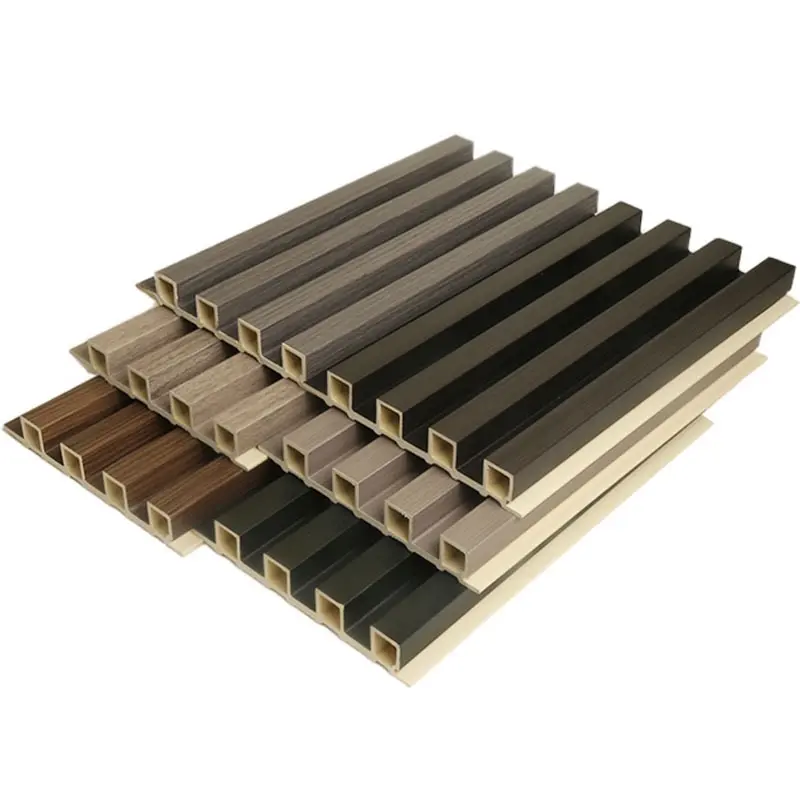
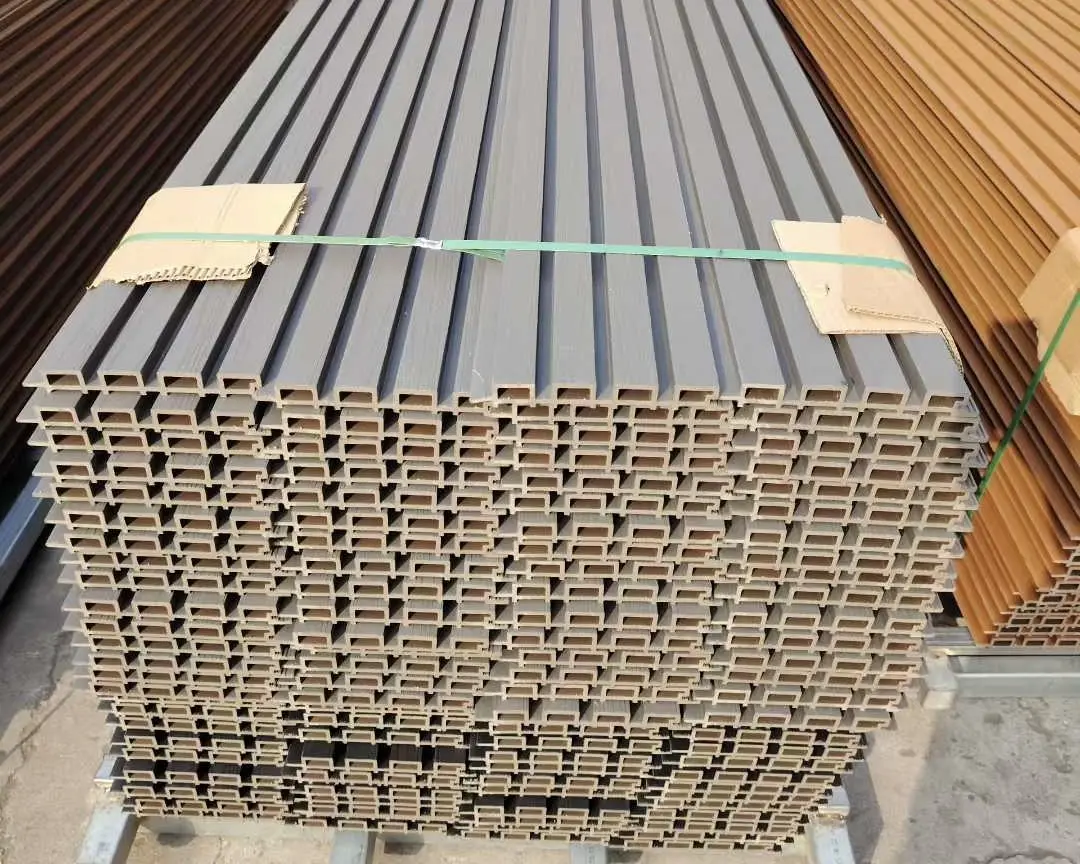
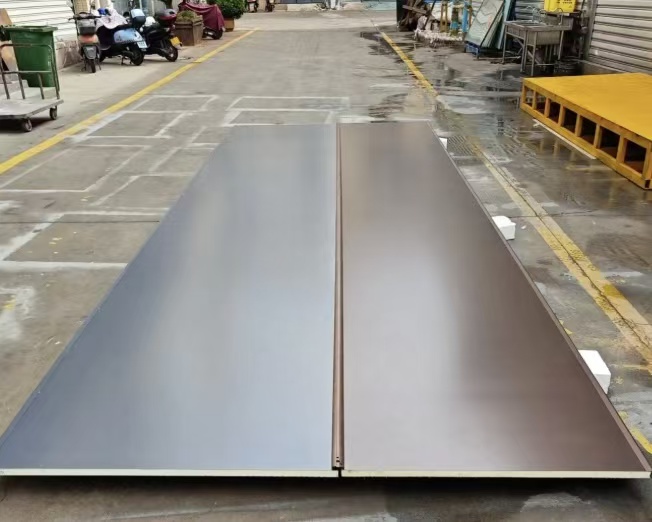
This new type of material, composed of wood fibers and eco-friendly plastics, not only retains the texture and feel of wood but also features water resistance, mold resistance, and weather resistance, solving the pain points of traditional boards such as easy deformation and difficult maintenance. At present, the industry has achieved technological upgrades. By adding nano-scale anti-aging agents, the product's service life has been extended to over 20 years, making it suitable for various indoor and outdoor scenarios - from home decoration to hotel renovation, and even the surrounding decoration of outdoor pavilions and swimming pools.
Data from leading domestic enterprises show that their export orders for WPC wall panels have increased by 40% year-on-year. Due to tightened environmental protection policies in regions such as the European Union and Australia, the purchase volume of WPC wall panels has soared. Industry insiders point out that as the global carbon neutrality process accelerates, WPC wall panels are expected to occupy more than 20% of the green building materials market in the next three years and become the core choice for sustainable decoration.