
WPC Interior Wall Panels: Environmental Protection and Technology-Driven Spatial Innovation
Material Revolution: Dual Breakthroughs in Environmental Protection and Performance
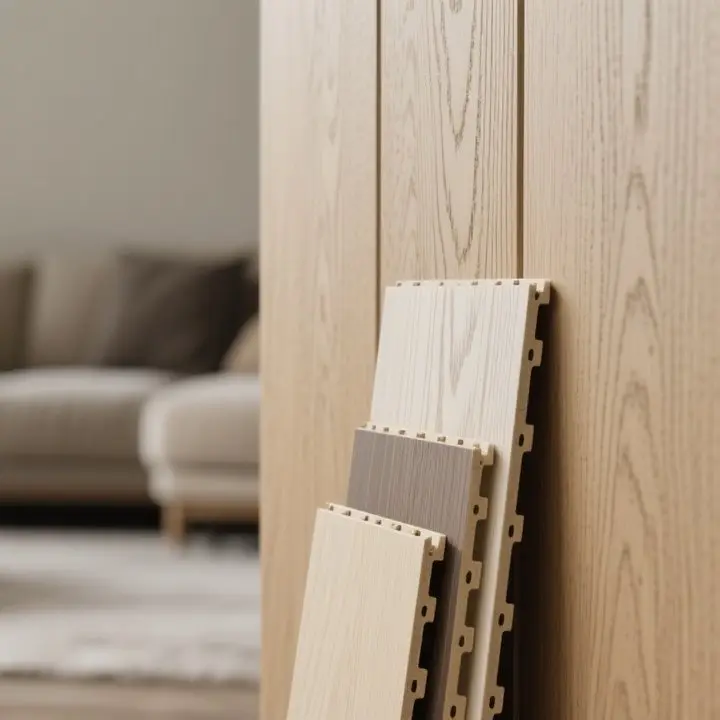
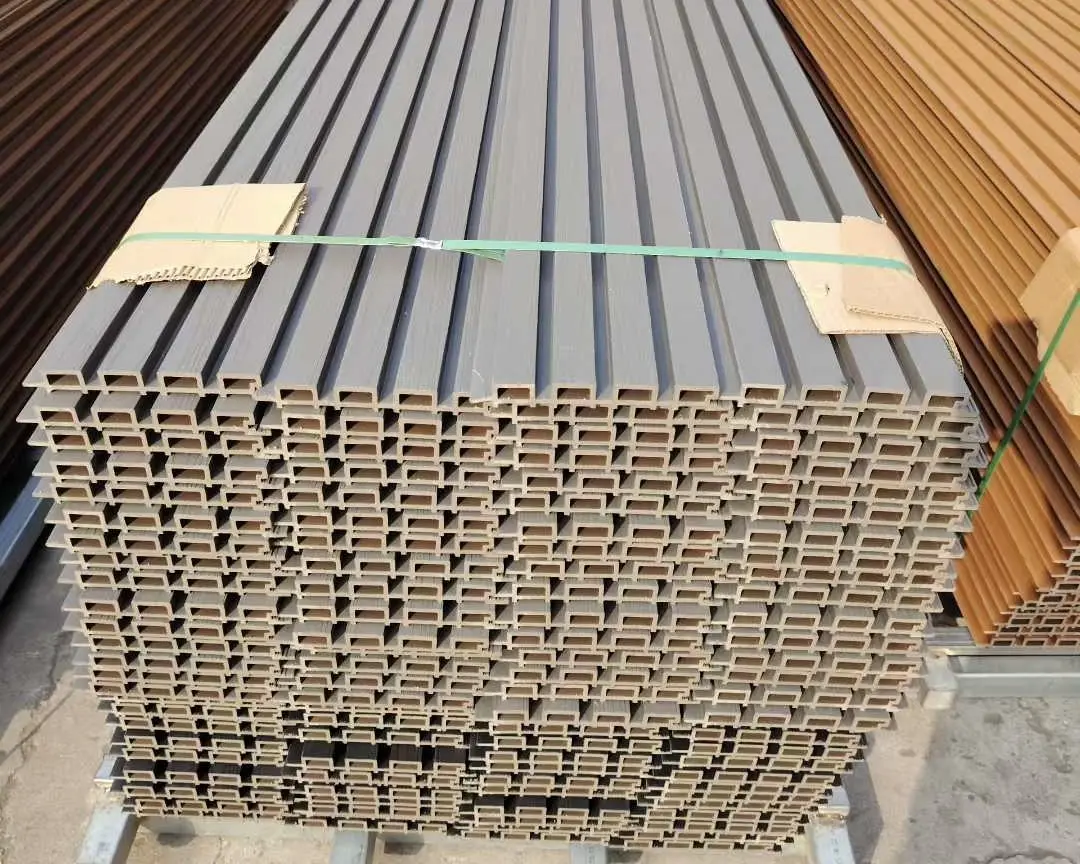
WPC wall panelsare made by combining over 60% of agricultural and forestry waste (such as straw and wood chips) with thermoplastic plastics. The production process is free of formaldehyde addition and complies with the EU REACH regulation and the national E0 environmental protection standard. Its physical properties are even more revolutionary than those of traditional materials: the water absorption rate is less than 0.5%, and it can maintain a service life of over 25 years in a humid environment. It has passed the GB8624-2012 A-level fire protection certification. When exposed to open flames, it does not spread and does not release toxic smoke. The WPC Wall Panels launched by enterprises such as Saint-Gobain have achieved the "food-grade" heavy metal control standard and reached the safety level of medical environments.
Application scenarios: Full coverage from high-end hotels to smart homes
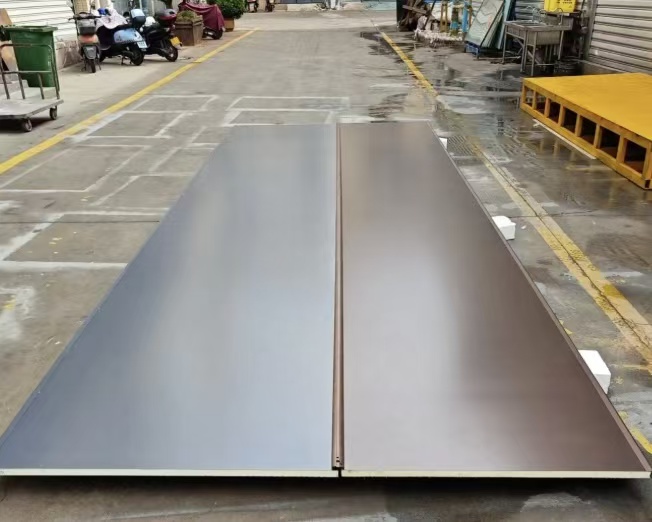
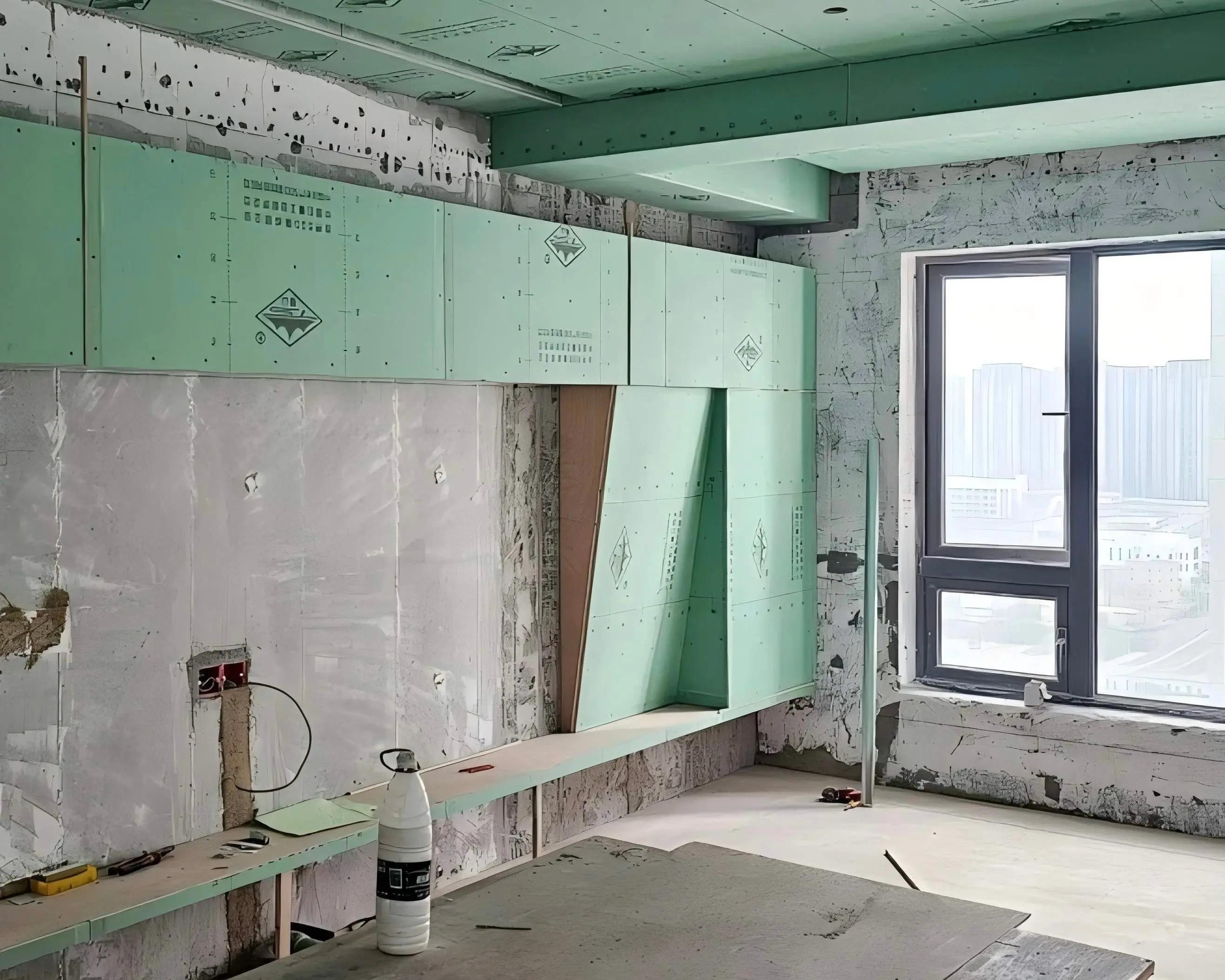
The modular design and diverse finishes of WPC wall panels make them widely used in both commercial and residential fields. For instance, the prefabricated and integrated decoration solution provided by Mingzu Decoration Materials for the Huazhong Hotel project, through the rapid installation and ready-to-move-in features of WPC wall panels, helped the hotel save 50% of the construction period and 90% of construction waste. In real estate projects such as Vanke Boyu, WPC wall panels have successfully replaced traditional wallpaper due to their waterproof and mold-resistant properties, becoming the preferred material for fully furnished houses.
Technological iteration: The deep integration of nanotechnology and sustainable production
In 2025, the WPC industry will witness a wave of technological upgrades. The nano-processing AIDS launched by Hongfu New Materials have increased the single-line production capacity by 30% through molecular penetration technology, and at the same time, the wear-resistant revolutions have exceeded 10,000 revolutions, significantly reducing the engineering maintenance cost. Enterprises such as Weijing Lvke have reduced the carbon footprint of their products by 40% and increased the recycling rate of waste WPC from 35% to 65% through the application of bio-based resins and plant-based adhesives.
Market Opportunity: A new blue ocean of global layout and modular decoration
On cross-border platforms such as Alibaba International Station, the number of inquiries for WPC wall panels has increased by 63% year-on-year, with the Middle East and Southeast Asia markets becoming the core growth poles. Industrial clusters in Linyi and other places have achieved full-chain integration from raw materials to exports by relying on mature supply chains. For instance, the exterior wall solution customized for a Saudi client has remained crack-free for 10 years in high-temperature and sandy environments, and its cost is 40% lower than that of imitation stone.