
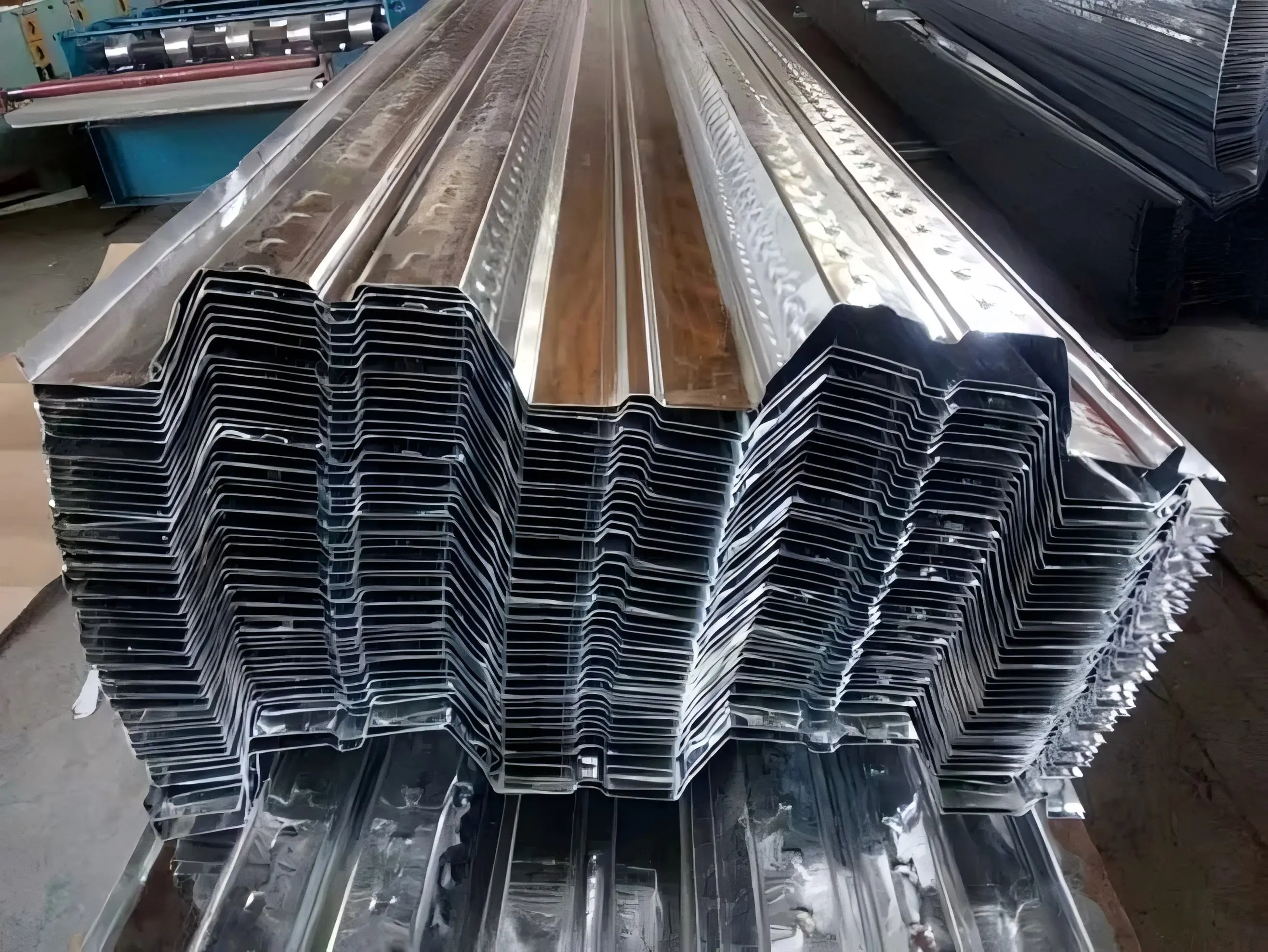

The international trade market for insulation wall panels: Driven by both policy and demand, the growth space continues to expand
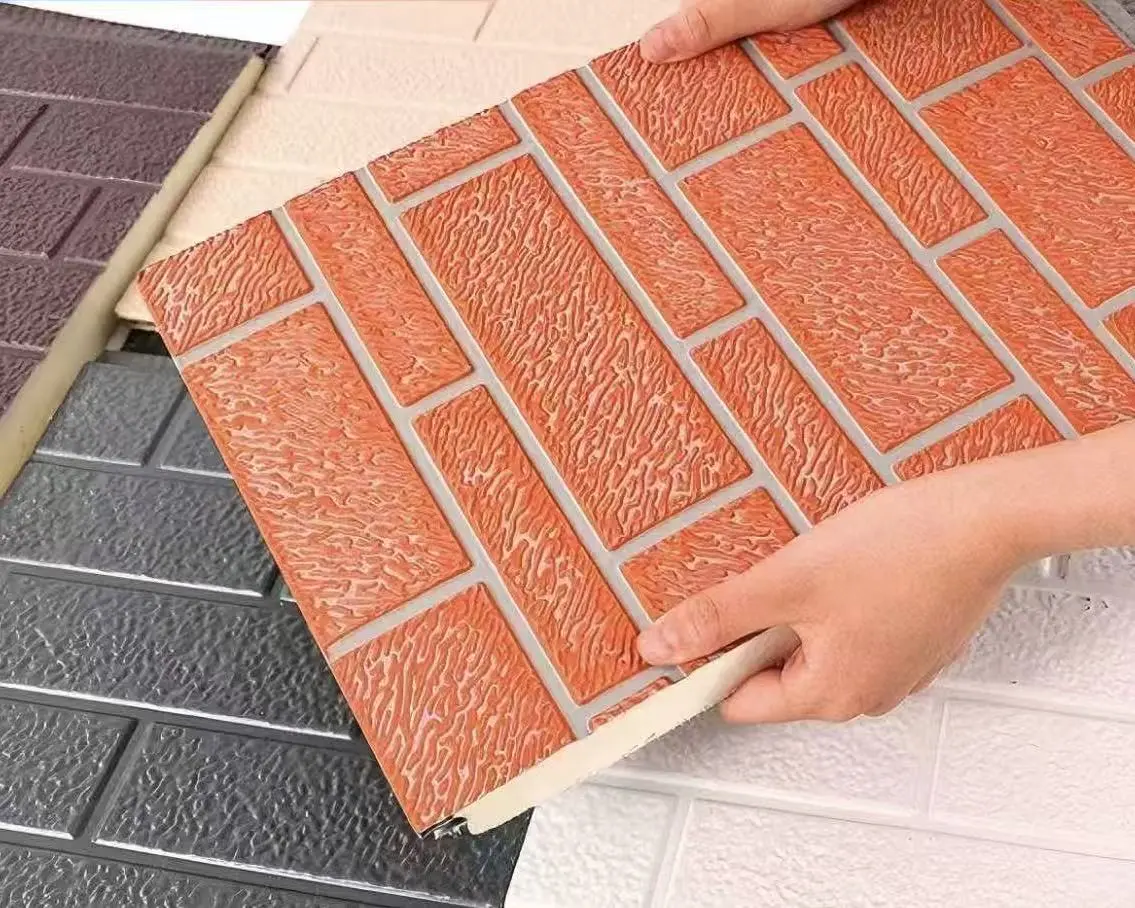
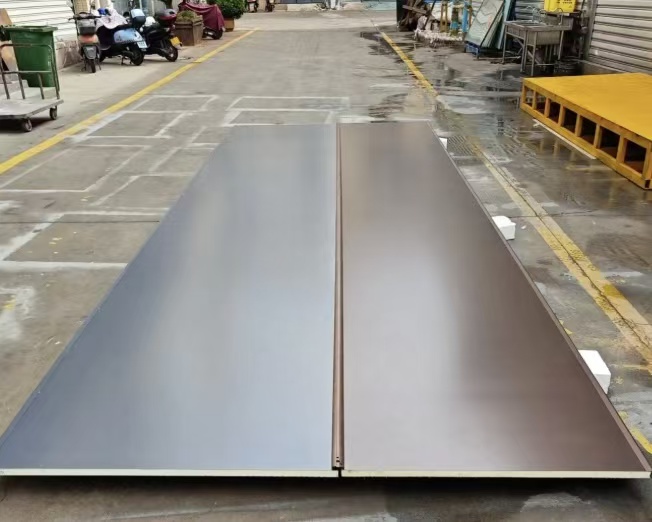
Policy dividends and the energy crisis constitute the core driving forces for the growth of the insulation wall panel market. More than 40 countries around the world have included the fire resistance grade of exterior wall insulation material wall panels in mandatory certification. The European Union has forced imported building insulation wall panels to upgrade to low-carbon processes through the Carbon Border Adjustment Mechanism (CBAM). Meanwhile, the United States, Canada and other countries have raised the energy-saving standards for insulation wall panels in new buildings to a historical high. Meanwhile, the demand for renovation of existing buildings in Europe is strong, with the renovation rate rising from 12% in 2020 to 18% in 2024. In North America, 65% of the demand comes from the renovation of insulation wall panels in old buildings, providing a stable increase for the export of insulation wall panels.
The regional insulation wall panel market shows a differentiated growth pattern. The high-end insulation wall panel market in Europe and America focuses on high-performance products. Polyurethane insulation wall panels, which are suitable for extremely cold environments, account for 40% in North America. The annual demand for high-end insulation wall panels such as vacuum insulation panels in Europe has increased by more than 25%. Emerging markets such as Southeast Asia and the Middle East have benefited from the urbanization process. Infrastructure investment in countries like Vietnam and Saudi Arabia has soared, driving a 15% increase in the export of cost-effective insulation wall panels such as rock wool and EPS from China, making it the main driver of global insulation wall panel growth. The explosion of cold chain logistics has given rise to new demands for insulation wall panels. The growth rate of polyurethane insulation wall panels in the field of cold storage construction has reached 9%, becoming a new engine for the industrial application of insulation wall panels.
The trade pattern of insulation wall panels is undergoing a reshaping, and the say of Chinese enterprises is continuously rising. At present, domestic insulation wall panel enterprises collectively account for 50% of the global market share. Leading enterprises such as Beixin Building Materials and Luyang Energy Conservation, relying on their production capacity scale and cost advantages, have promoted rock wool and ceramic fiber insulation wall panels to over 30 countries along the "Belt and Road". However, the high-end insulation wall panel market is still dominated by European and American enterprises. Saint-gobain, Owens Corning and others, with their insulation wall panel technology certifications and brand advantages, occupy 40% of the global share. Their gross profit margins are 20 to 30 percentage points higher than those of similar insulation wall panel products in China.
The technological innovation and compliance capabilities of insulation wall panels have become the key to competition. In 2025, the number of patent applications in the insulation wall panel industry increased by 18% year-on-year, mainly focusing on inorganic insulation core materials and modular installation of insulation wall panels. Industry insiders point out that enterprises that master the low-carbon production process of insulation wall panels and obtain certifications such as the EU ETICS and the US FM will gain an advantage in the era of carbon tariffs. In the future, with the acceleration of infrastructure construction in emerging markets and the breakthrough in the domestic production of high-end insulation wall panels, the international trade market for insulation wall panels is expected to enjoy a broader growth space.