
Comprehensive Analysis of UV Board Application Scenarios and Installation Guide for Assistance
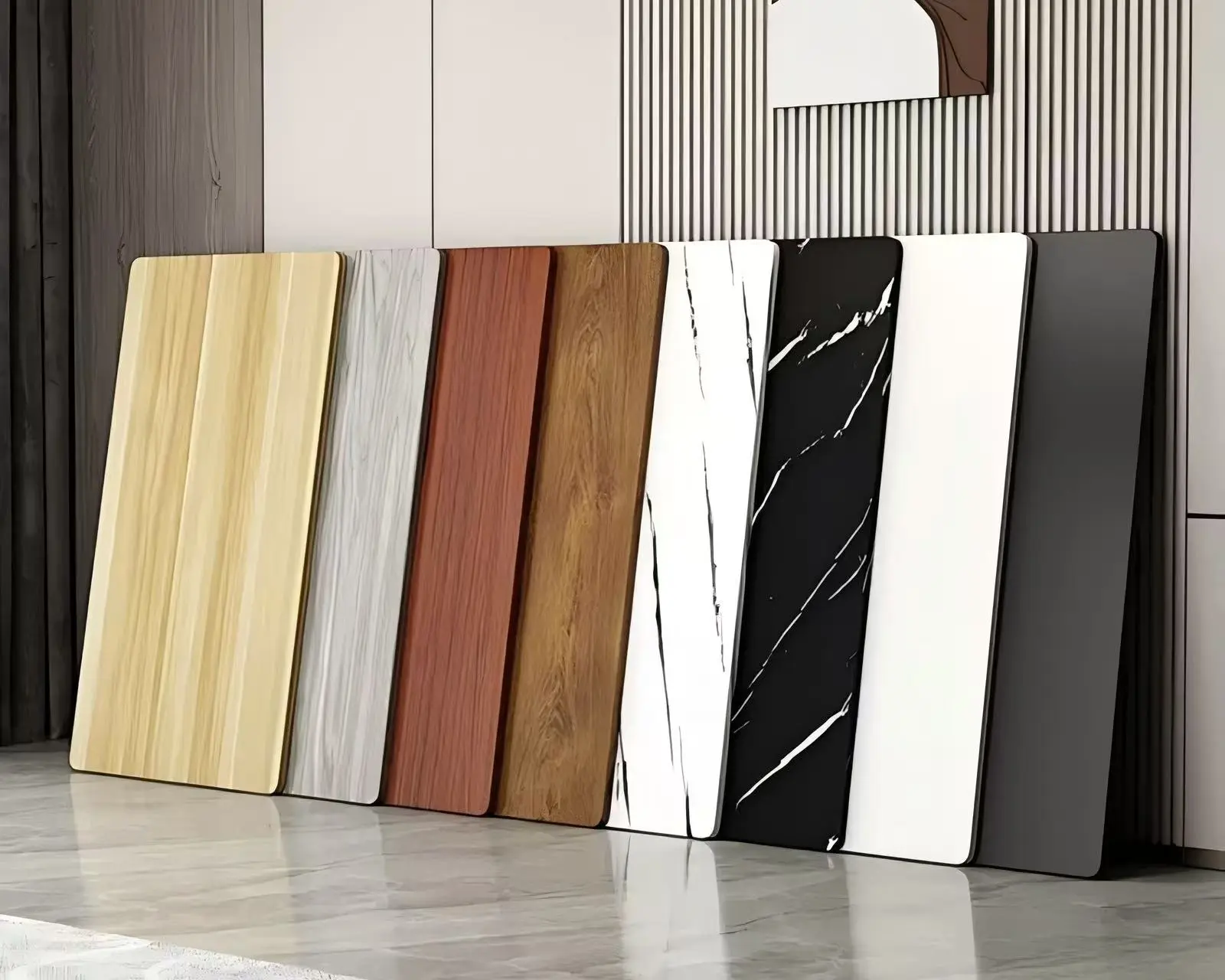
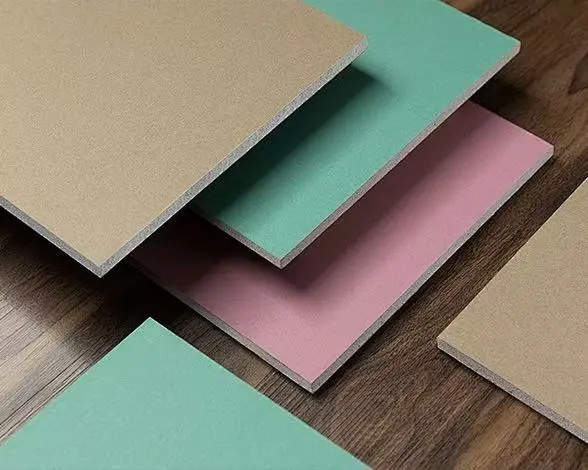
The application scenarios of UV boardshave covered three major fields: home decoration, commercial decoration and special places. In home decoration scenarios, the kitchen is the core application area. Its waterproof, moisture-proof and oil-resistant properties can be adapted to cabinet door panels, countertops and wall decorations. Data from a certain home decoration company shows that the after-sales maintenance rate of kitchen decoration using UV Boards has decreased by 60%. The dry and wet partition walls and bathroom cabinets in the bathroom are made ofUV boards, which can effectively resist the erosion of water vapor. The background wall of the living room and the partition of the entrance hall can be customized with textures such as wood grain and stone grain to achieve various styles including light luxury and simplicity. In the commercial decoration field, it has more advantages. The use of high-gloss UV boards for the walls of hotel lobbies and the decoration of elevators can enhance the texture of the space. The display stands in shopping mall counters are made of UV boards, which are wear-resistant, scratch-resistant and can be quickly renovated. After a certain chain supermarket adopted it, its annual decoration and maintenance costs were reduced by 35%. In terms of special venues, antibacterial UV boards are selected for the walls of school classrooms and the wall panels of hospital corridors. Combined with their easy-to-clean features, they meet the requirements of epidemic prevention. Laboratory countertops can be customized with acid and alkali resistant models.
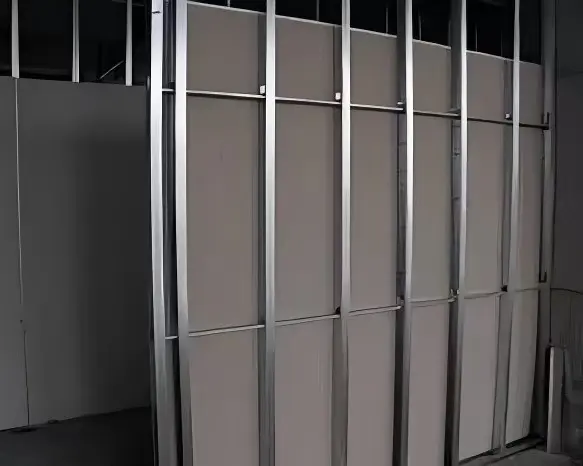
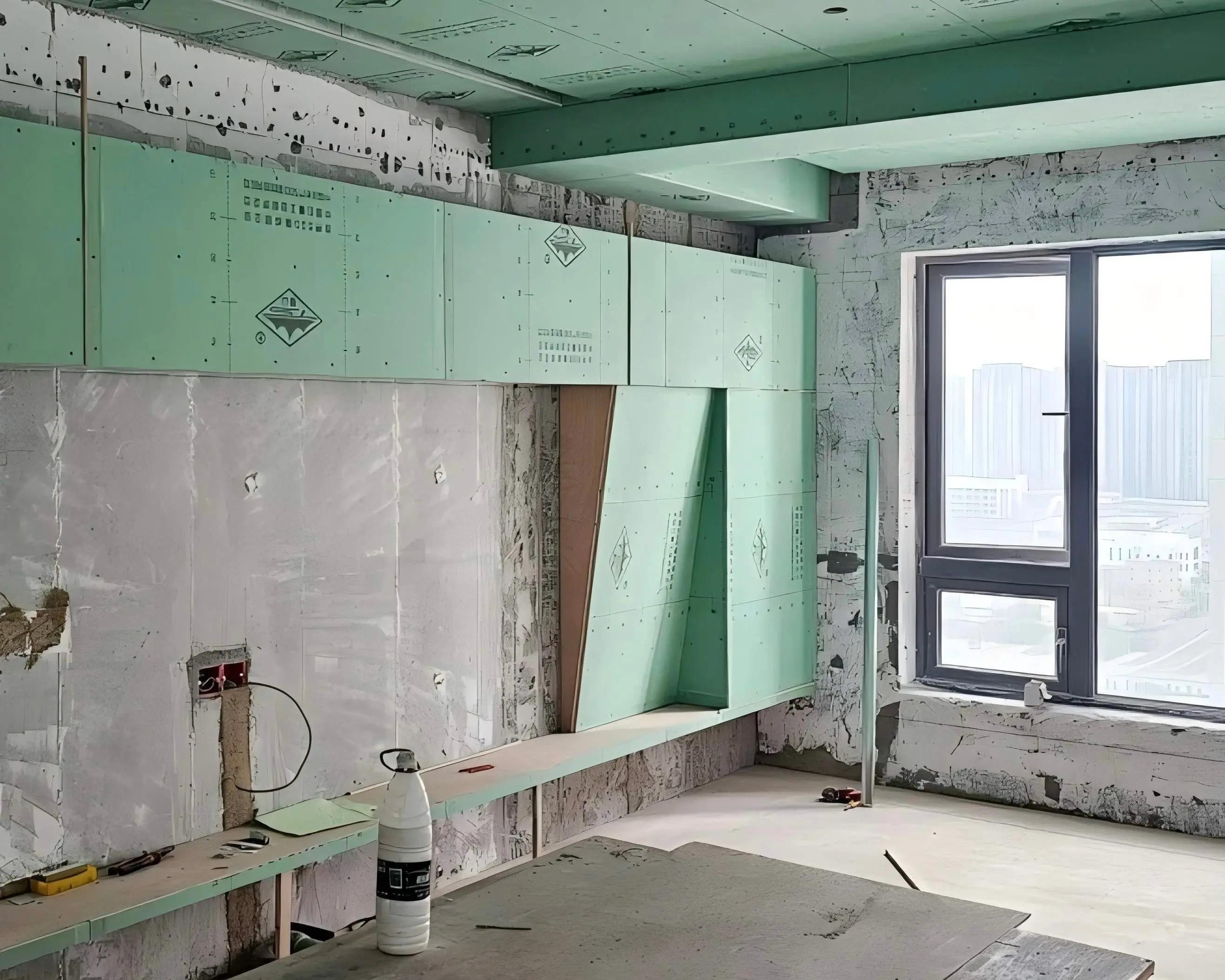
Standardized installation procedures can significantly enhance the application effect of UV boards. The first step is the base treatment, which is crucial. It is necessary to ensure that the wall or countertop is flat and dry, with the flatness error controlled within 2mm. Oil stains and loose dust must be thoroughly cleaned, and for porous base layers, a sealing primer should be applied in advance. The second step is precise cutting. Use a panel cutting machine to cut according to the size. The cut edge should be sanded smooth with sandpaper to avoid burrs that may affect the splicing effect. The third step is to stick and fix. For small areas of home decoration, eco-friendly nail-free glue can be used. For large areas of commercial decoration, it is recommended to use special structural glue. The application should be even, with a thickness of 3-5mm. After pasting, press with a heavy object for 24 hours to cure. The fourth step is edge banding treatment. Use PVC edge banding strips of the same color in combination with an edge banding machine for hot-melt edge banding. A 2mm expansion joint should be reserved at the corner. The last step is cleaning and maintenance. After installation, just wipe it with a damp cloth. In daily life, avoid direct impact with sharp objects.
Industry experts particularly remind that during installation, attention should be paid to the ambient temperature. The optimal construction temperature is 5-35℃. In low-temperature environments, the curing time of the adhesive needs to be prolonged. At present, most brands have launched supporting installation toolkits and video tutorials, and a leading enterprise even offers on-site guidance services. With the continuous expansion of application scenarios, UV boards, with their core advantages of "high appearance level + easy installation + wear resistance", are becoming the mainstream choice in the decorative building materials market.