
News

In 2025, the PVC wall panel industry: Technological innovation and green transformation drive market expansion
Ndustry analysts point out that with the promotion of prefabricated buildings and the popularization of smart homes, pvc wall panels will develop in the direction of modularization and functional integration. It is expected that by 2030, the proportion of high-end products with antibacterial and self-repairing functions will exceed 40%, and the proportion of online sales channels will increase from 15% to 25%. The current industry is accelerating its consolidation, and enterprises with technological reserves and green production capabilities will dominate market competition.
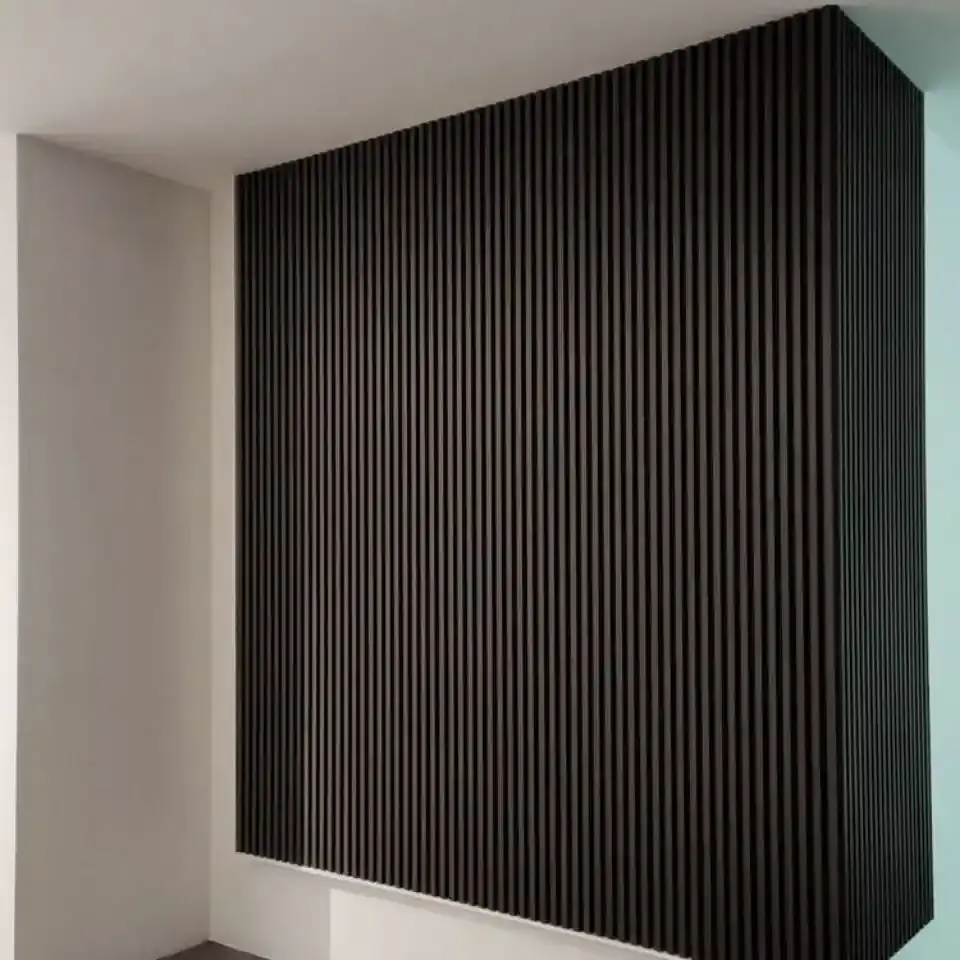
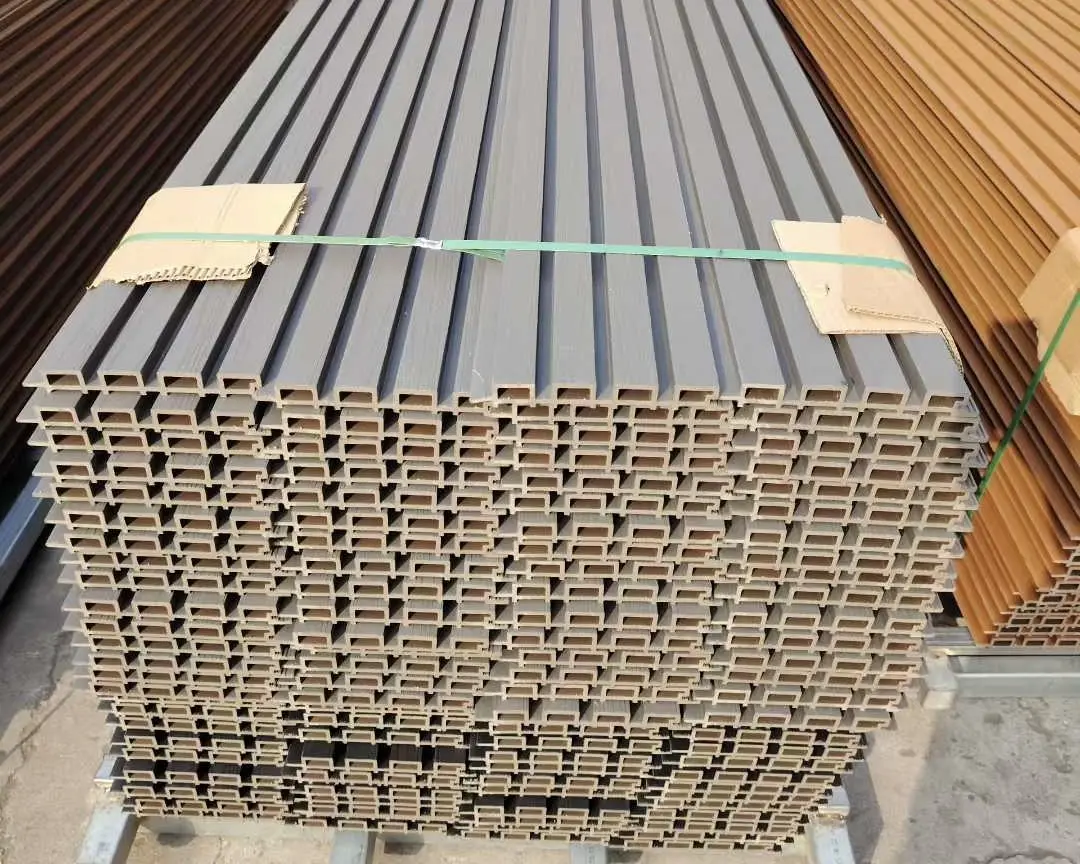
WPC wall panels have become a new favorite among green building materials, with their global market share increasing by 15% annually
wpc wall panels lead the green building materials market with their environmentally friendly and durable features. Their global share has increased by 15% annually. They are suitable for multiple scenarios and have a service life of over 20 years. Export orders have soared, making them the preferred choice for sustainable decoration.
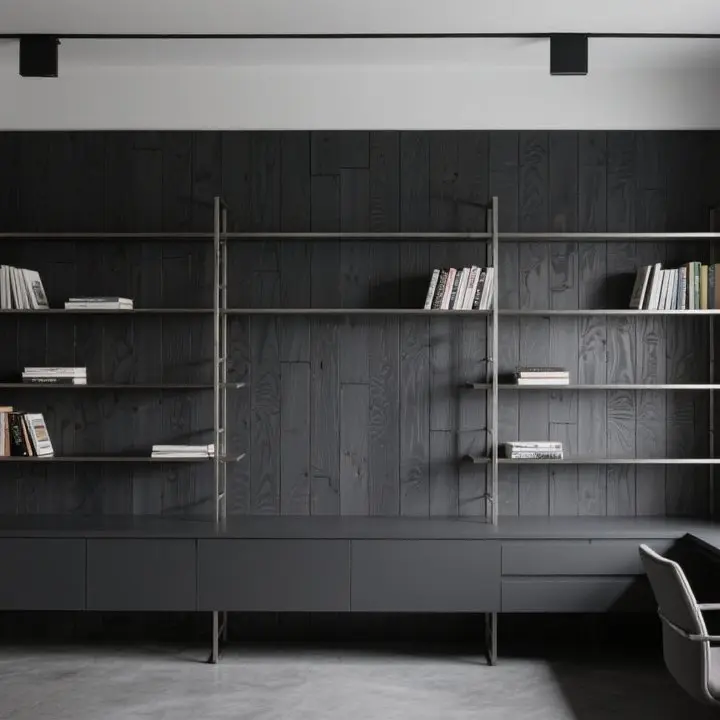
WPC Interior Wall Panels: Environmental Protection and Technology-Driven Spatial Innovation
In recent years, with the rise of the global green building trend, wood-plastic composite materials (WPC) have become the focus of the interior building materials field due to their outstanding environmental protection performance and innovative technologies. According to industry predictions, the global WPC market size will exceed 8 billion US dollars by 2025, among which the growth rate of the Chinese market leads the world, with a compound annual growth rate of 15%. This growth is not only attributed to the policy support for green building materials, but also benefits from the comprehensive breakthroughs in performance, design and cost of WPC materials.
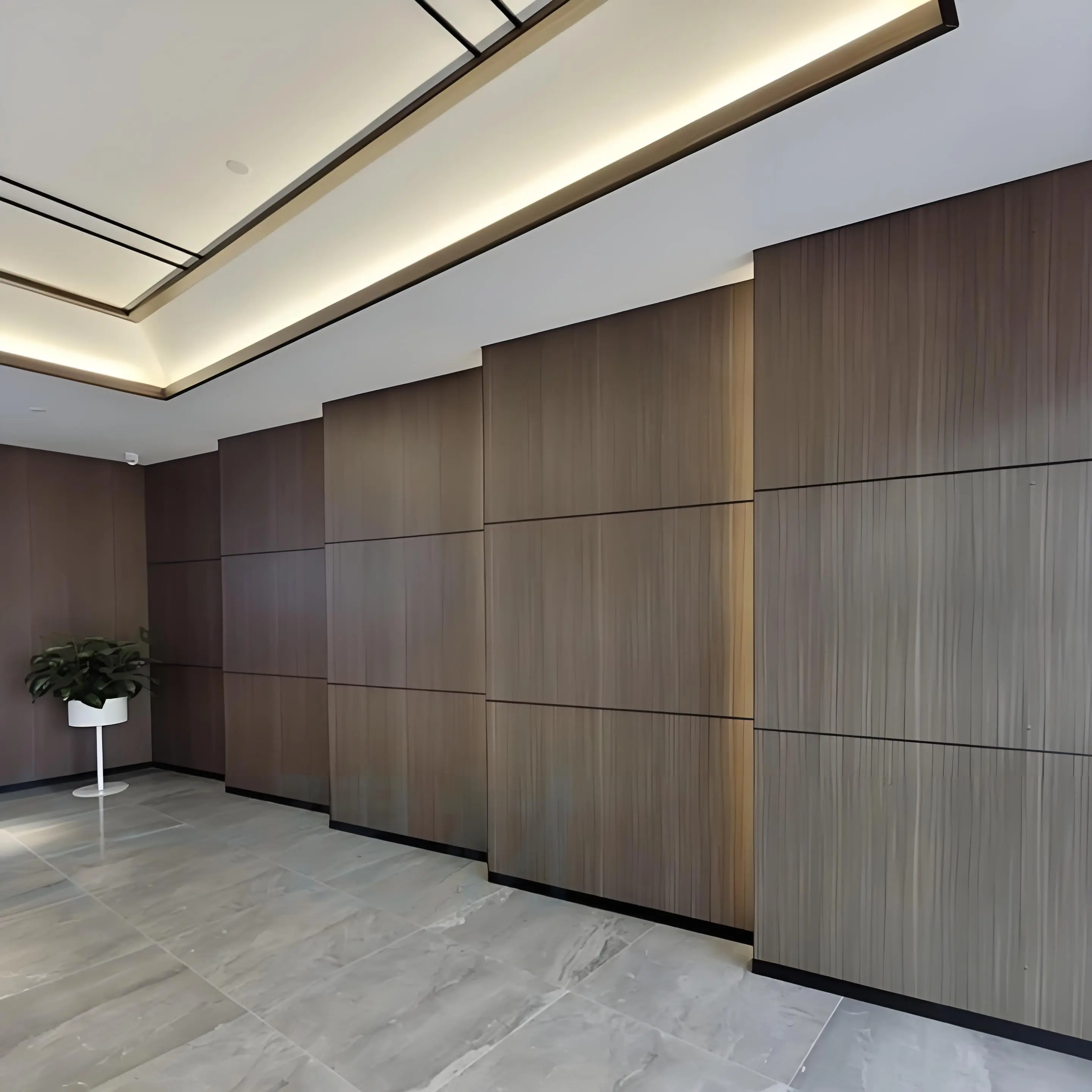
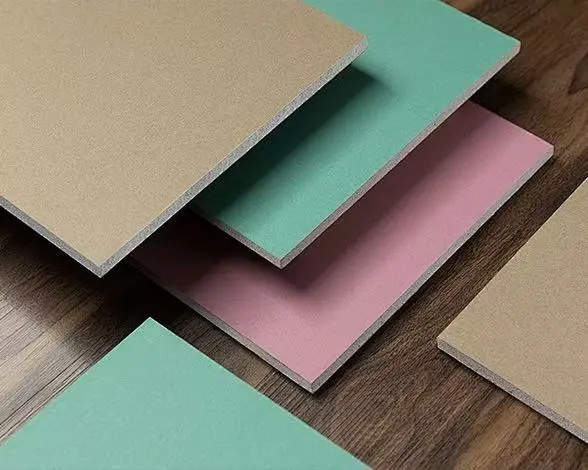
Carbon crystal plates revolutionize home experience: Lightweight materials create a new paradigm for smart Spaces
Recently, the new type of environmentally friendly decorative material, carbon crystal board, has become the focus of the construction and home decoration fields. It is made from bamboo charcoal powder, calcium powder, PVC and additives through high-temperature extrusion. The upper and lower layers are hard co-extruded, with excellent hardness. Not only does it contain no formaldehyde and meet national environmental protection standards, but it also has advantages such as B1-level fire resistance, water and moisture resistance, wear resistance and scratch resistance. With rich patterns and textures, it can meet the decoration needs of different styles. It is easy to install and has a short customization cycle. It is widely used in homes, offices, hotels and other places.
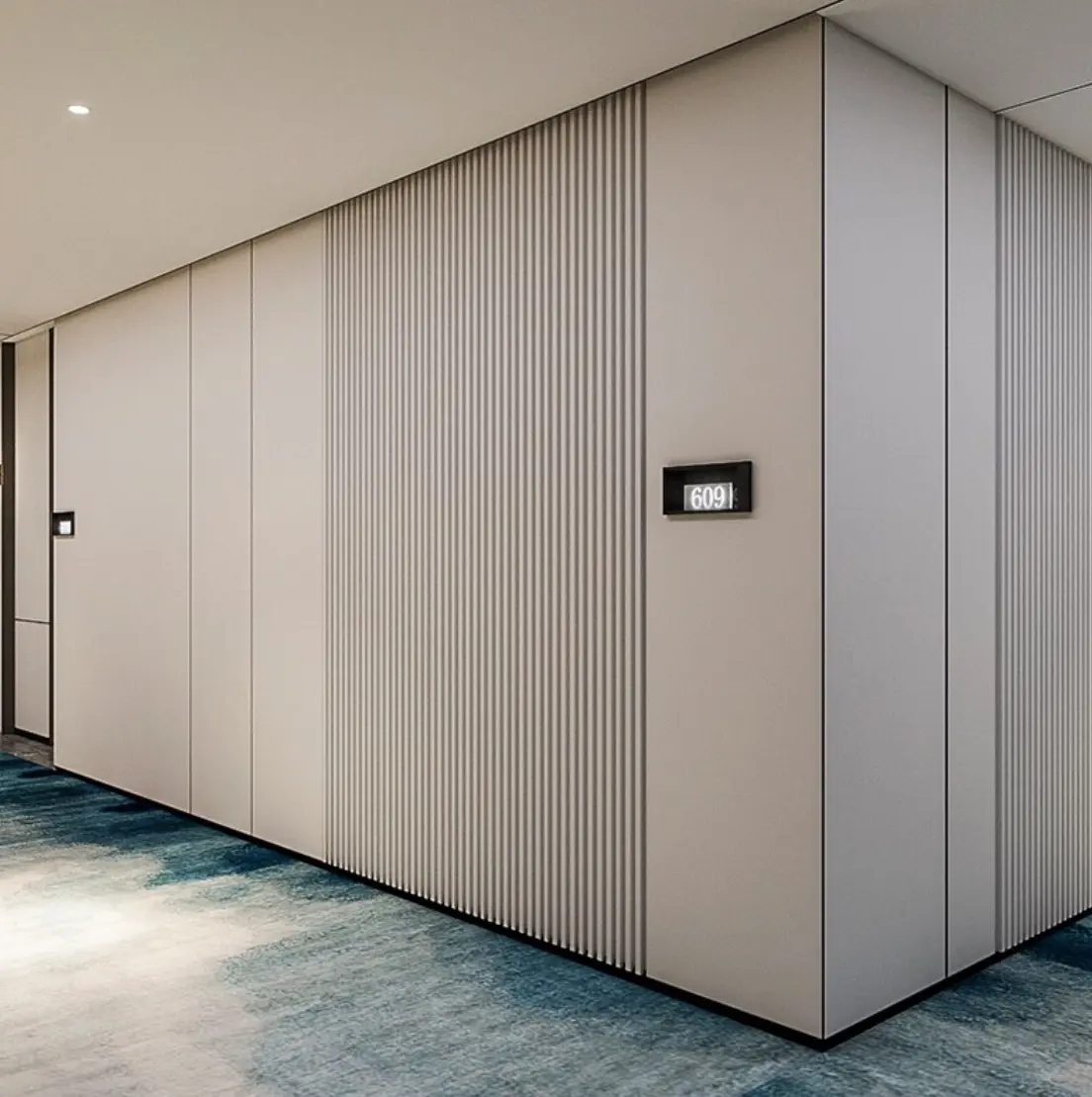
UV boards lead the new trend in interior decoration: combining environmental protection and aesthetics.
With the upgrading of environmental protection policies and the iteration of consumer demands, the UV board industry is expected to experience explosive growth in 2025. The latest data shows that the global market size of UV-resistant acrylic sheets has grown by 18% annually, and the domestic market size is expected to exceed 15 billion yuan, with a compound annual growth rate of 15%.
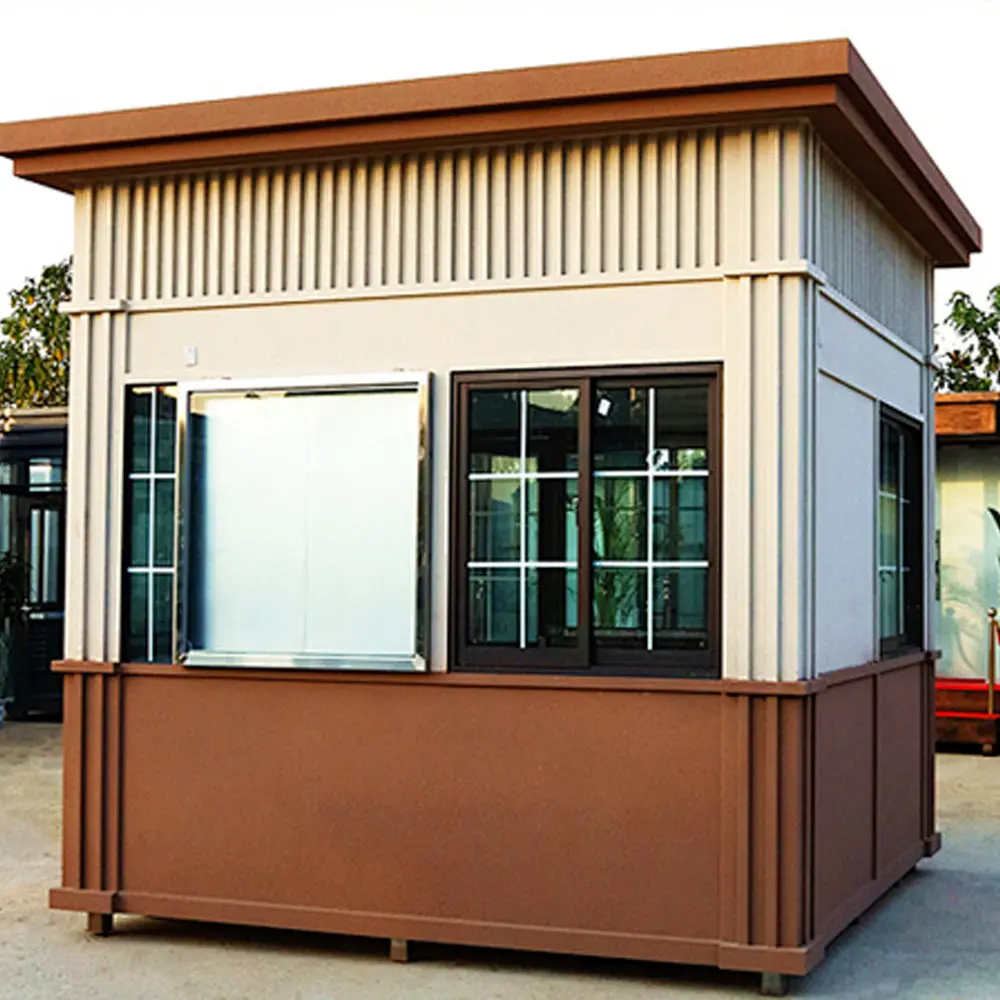
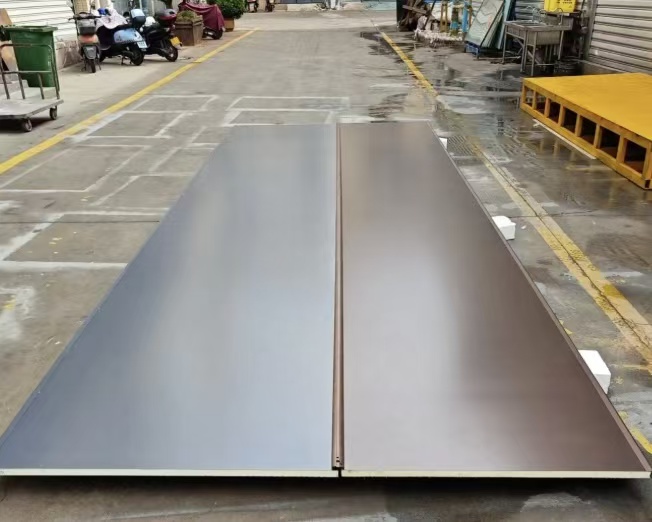
Why Polyurethane Insulation Boards are Leading the Future of Energy-Efficient Buildings
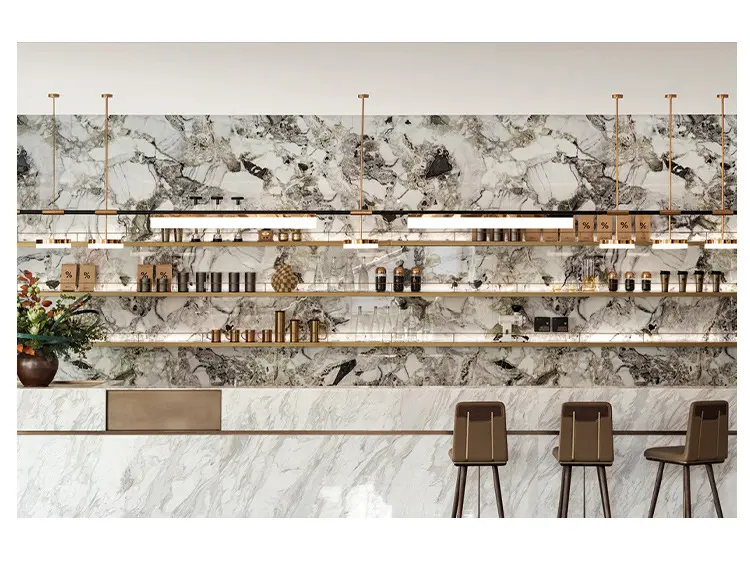
Discover the Benefits of UV Wall Panels in Modern Interiors
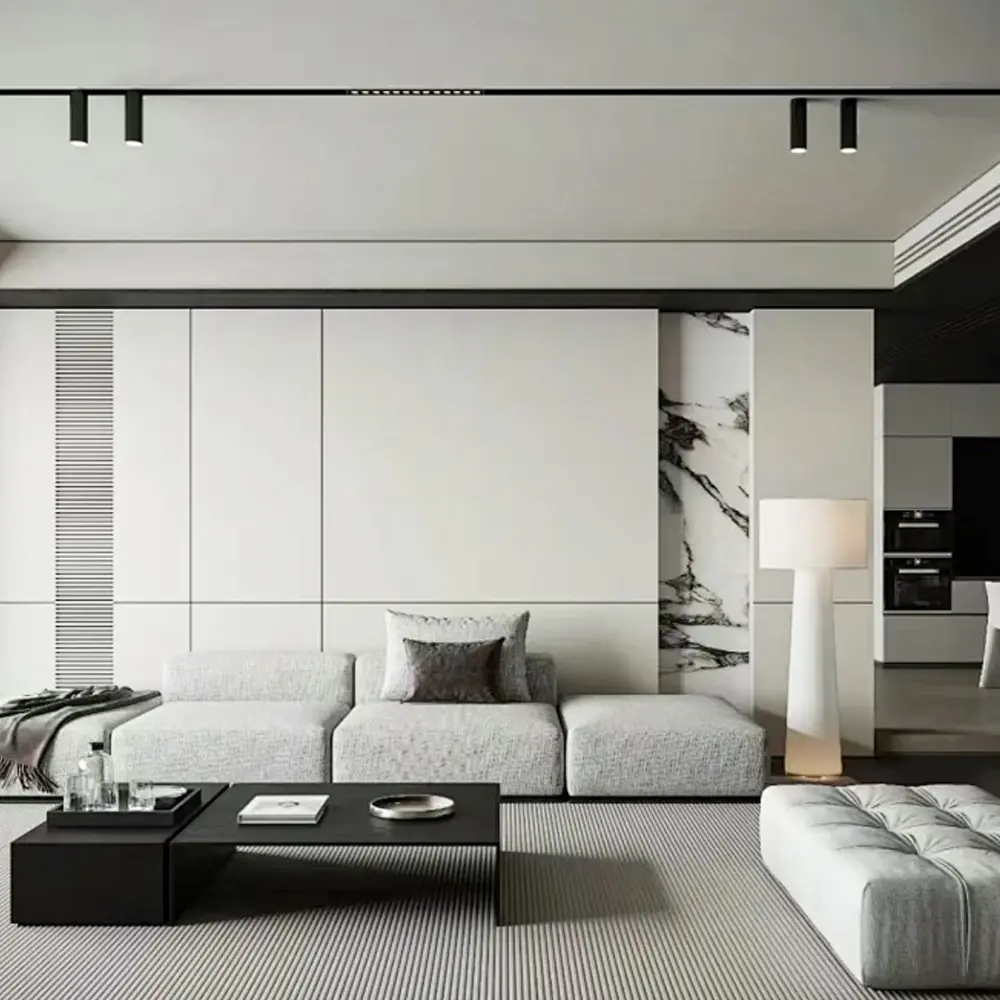
Revolutionizing Interiors: SPC Wall Panels Transform Modern Spaces
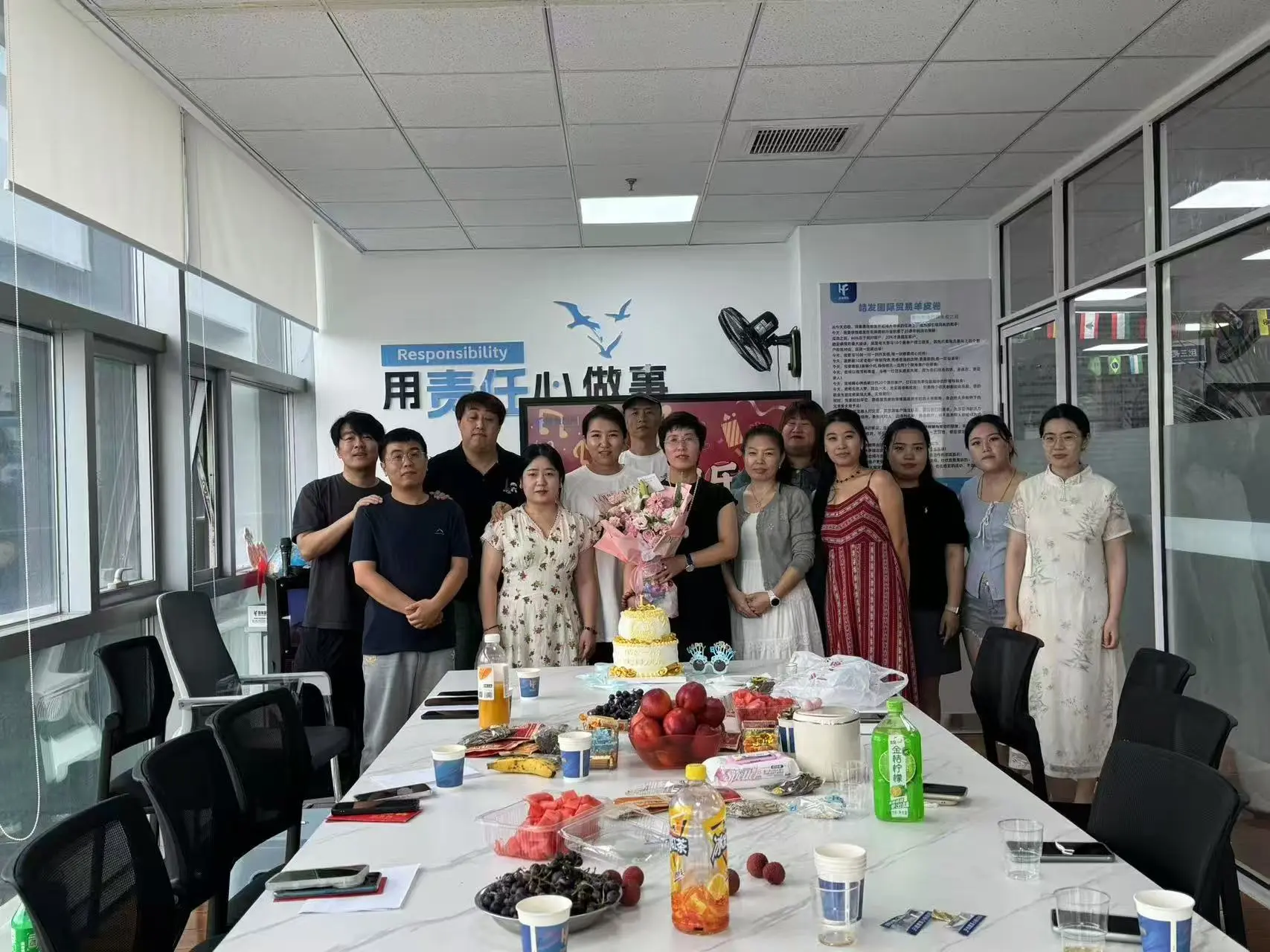
Haofa Building Materials Celebrates 1-Year Anniversary Event