What is Suspension Ceiling Grid and How Does it Work?
Suspension Ceiling Grid systems have become essential in modern architectural design. They serve not only as a practical solution for suspending ceilings but also enhance aesthetic appeal. In recent years, the global market for suspension ceiling systems has seen a shift towards advanced materials and technology. According to industry reports, the ceiling grid market is expected to reach $7.2 billion by 2025, driven by demand in both commercial and residential projects.
The functionality of a Suspension Ceiling Grid is crucial for effective space management. It allows for the integration of lighting, ventilation, and sound systems, contributing to a holistic environment. Yet, contractors often overlook the importance of proper installation. Flaws in grid alignment can lead to costly repairs. Moreover, while some manufacturers focus on innovation, others lag behind, failing to meet stringent quality standards.
As the industry evolves, companies must embrace smart technologies, such as AI-driven inventory management and installation processes. This integration could greatly improve efficiency. However, the challenge remains in balancing cost and quality. As stakeholders invest in new solutions, the need for continuous training and awareness in best practices grows more vital.
Definition and Overview of Suspension Ceiling Grid
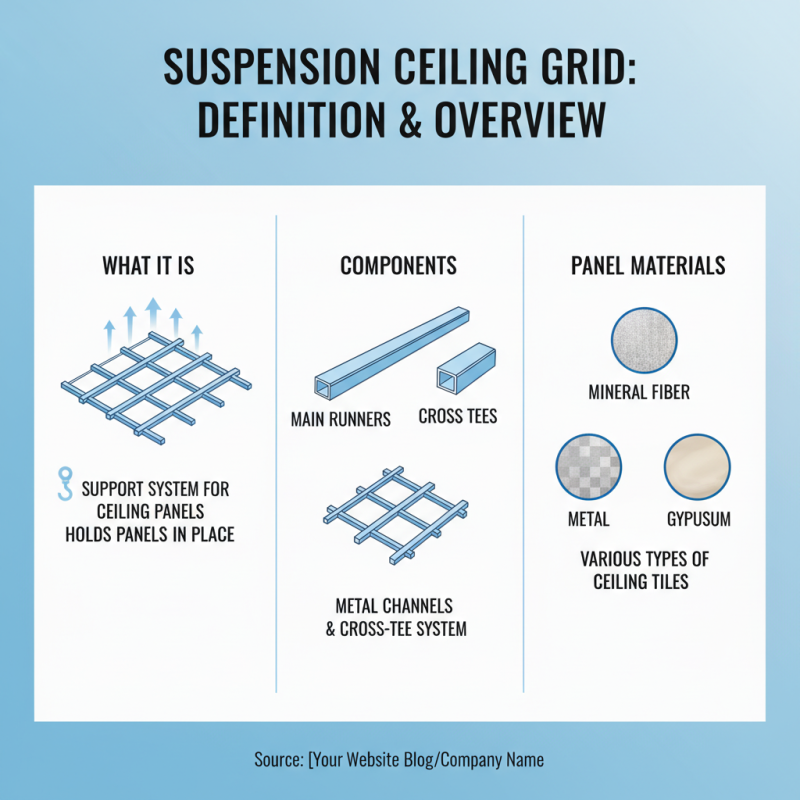
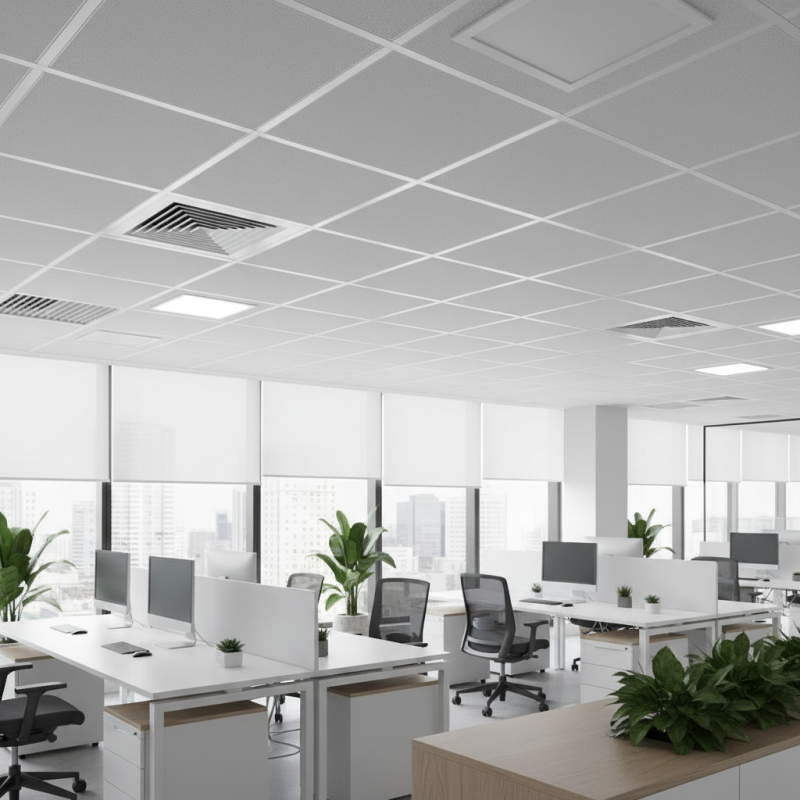
A suspension ceiling grid is a system used to support ceiling panels. It provides a framework that holds the panels in place. This grid typically consists of metal channels and cross Tee pieces, creating a framework that helps to support various types of ceiling tiles. These tiles can be made from different materials like mineral fiber, metal, or gypsum.
Installation of a suspension ceiling grid requires careful planning. The grid must be level and aligned with the room’s dimensions. An uneven grid can lead to unsightly gaps or misaligned panels. Moreover, it’s crucial to consider the weight of the ceiling tiles. Overloading the grid can result in sagging or even collapse. While a well-installed grid can enhance aesthetics and sound absorption, mistakes in installation can lead to costly repairs.
In many spaces, suspension ceilings provide access to HVAC systems and electrical wiring above. This accessibility can improve maintenance efficiency, but it may demand regular inspections. Such inspections can be overlooked, leading to potential issues that require attention. Understanding the balance between functionality and aesthetics is essential when working with suspension ceiling grids. This approach ensures a practical yet visually appealing outcome.
Components of a Suspension Ceiling Grid System
A suspension ceiling grid system consists of several key components that work harmoniously together. At its core, the grid framework supports ceiling tiles or panels. This grid is made from lightweight materials, often metal. It hangs from the structural ceiling using wires. The wires need to be correctly installed for stability; any miscalculations can lead to sagging.
Main components include main runners, cross tees, and wall angles. The main runners form the backbone of the system. Cross tees connect to these runners, creating a grid layout. Wall angles secure the grid to the walls. According to industry data, improper installation of these components can lead to significant issues, including insufficient load-bearing capacity, resulting in tiles falling.
Additionally, ceiling tiles themselves come in various materials. Mineral fiber, metal, and fiberglass are common choices. Each material offers unique acoustic and aesthetic properties. However, the choice can affect performance. For instance, mineral fiber tiles might not be suitable for high-moisture areas. Industry reports suggest that about 30% of facilities experience dissatisfied occupants due to inadequate acoustics in poorly chosen ceiling materials. This highlights the importance of thoughtful selection in the grid system's design.
Components of a Suspension Ceiling Grid System
Installation Process of Suspension Ceiling Grid
Installing a suspension ceiling grid can enhance the aesthetic and functional quality of a room. It’s a simple process, but requires careful planning. Start by measuring the area where you want the grid. Mark the walls to indicate the height of the ceiling tiles. This ensures accurate placement.
Before you start, gather essential tools like a level, measuring tape, and wire cutters. Cut the main beams and cross tees to fit the dimensions of your space. Securely attach the main beams to the walls. Use wall brackets for additional support. Make sure to check for level frequently. An uneven grid can lead to frustration later.
Tips: Always double-check your measurements. A small mistake can cause complications. Use a laser level for better accuracy. If your ceiling has pipes or ducts, plan the grid layout around them. This prevents future adjustments and saves time.
Once the main structure is up, insert the cross tees. They should fit snugly between the main beams. Finally, you can add the ceiling tiles. Test the fit before fully securing them. This helps maintain a polished appearance. Remember, it’s important to take your time during installation. Rushing can lead to imprecise results.
What is Suspension Ceiling Grid and How Does it Work? - Installation Process of Suspension Ceiling Grid
| Dimension |
Material |
Load Capacity (lbs) |
Installation Time (hours) |
Finish Type |
| 2' x 2' |
Steel |
30 |
4 |
Smooth |
| 2' x 4' |
Aluminum |
40 |
5 |
Textured |
| 2' x 2' |
Gypsum |
20 |
3 |
Matte |
| 2' x 4' |
Mineral Fiber |
25 |
3.5 |
Acoustic |
| 2' x 4' |
PVC |
35 |
2.5 |
Glossy |
Functionality and Benefits of Suspension Ceiling Grids
Suspension ceiling grids play a crucial role in modern interior design. They provide structure and support for ceiling tiles and panels. This system helps create a clean and polished look while hiding unsightly wiring and pipes above. The simplicity of installation saves time and labor costs for builders and designers.
One significant benefit is the enhanced acoustic performance. Suspension ceilings can effectively reduce noise levels in a room. For commercial spaces, this feature is essential for creating a comfortable environment. Additionally, they allow for easy access to electrical and HVAC systems. This access simplifies maintenance and repairs, preventing costly downtime.
However, suspension ceilings are not without challenges. Proper planning is vital for ensuring alignment and aesthetic appeal. An incorrect installation can lead to uneven surfaces. Also, maintaining cleanliness can be difficult. Dust and dirt can accumulate, detracting from the ceiling's appearance. Thoughtful design and upkeep can minimize these issues, promoting a functional and attractive space.
Common Applications and Design Considerations for Suspension Ceilings
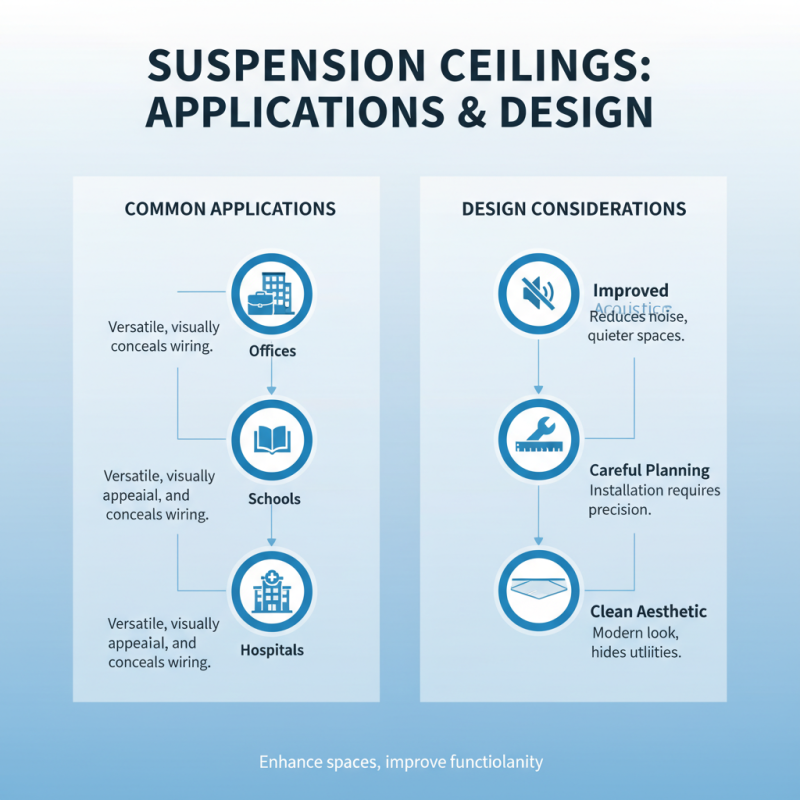
Suspension ceilings are versatile and visually appealing. They are commonly used in offices, schools, and hospitals. These ceilings offer a clean look and can hide wiring and ductwork. They help improve acoustics, making spaces quieter. However, installation requires careful planning.
Design considerations include the ceiling height and the type of tiles used. Lower ceilings can feel cramped, so optimizing space is essential. Different materials can affect sound absorption and aesthetics. For example, some tiles are more durable while others are more decorative. Choosing the right tile matters. It impacts both function and style.
Common applications of suspension ceilings are found in commercial spaces. Retail stores benefit from customizable designs. Restaurants use them to create ambiance. Yet, issues may arise with maintenance access. Regular checks are necessary to ensure everything functions properly. Balancing aesthetics and practicality is not always straightforward.