How to Install PVC Wall Boards Step by Step Guide?
Installing PVC wall boards can seem daunting. However, many professionals believe it’s a straightforward task with the right guidance. John Smith, a seasoned expert in PVC Wall Board Installation, says, "Proper installation can transform any space beautifully."
In recent years, PVC wall boards have gained popularity. They offer durability and aesthetic appeal. Many homeowners choose them for kitchens and bathrooms. The process requires careful planning and execution. It’s essential to measure accurately and prepare the surface properly. Mistakes can lead to complications later on.
While the installation may sound simple, challenges can arise. The need for precision cannot be overstated. Each panel must align seamlessly with the next. Even experienced DIY enthusiasts may face hurdles. Reflecting on your approach can improve your technique. Investing time upfront often pays off in the long run.
Understanding the Benefits of PVC Wall Boards in Interior Design
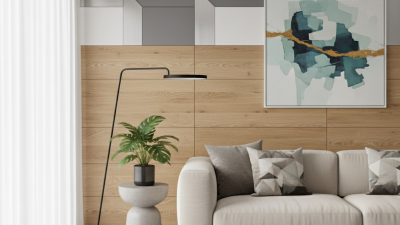
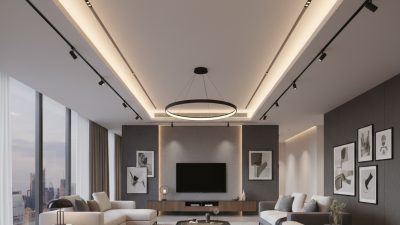
PVC wall boards offer several benefits for interior design. They are durable and water-resistant, making them ideal for kitchens and bathrooms. The smooth surface is easy to clean. This reduces maintenance time significantly. They also come in various colors and textures, allowing for creative freedom in design. Choosing the right style can enhance any space dramatically.
Tips: When selecting PVC wall boards, consider the overall color scheme of your room. Dark colors can make a space feel smaller. Lighter tones often create a larger appearance. Don’t forget about the texture. A matte finish gives a sophisticated look, while a glossy option adds modern flair.
One potential downside exists. Some people find the installation challenging without prior experience. If you're uncertain about your skills, seeking help might be wise. Also, ensure proper measurements to avoid misalignment. A single mistake can lead to additional costs and frustrations. Take time to plan before cutting any boards.
How to Install PVC Wall Boards Step by Step Guide? - Understanding the Benefits of PVC Wall Boards in Interior Design
| Step |
Description |
Benefits |
| 1 |
Gather all necessary tools and materials including PVC wall boards, adhesive, and tools for cutting. |
Preparation ensures a smooth installation process and reduces errors. |
| 2 |
Measure the area where the wall boards will be installed and cut the boards to fit. |
Custom fit ensures proper coverage and aesthetics. |
| 3 |
Apply adhesive to the back of the wall boards or the wall surface. |
Strong adhesion ensures durability and longevity of the installation. |
| 4 |
Position the wall board on the wall, pressing firmly to secure it. |
Proper placement is crucial for a professional finish. |
| 5 |
Let the adhesive cure as per the manufacturer's instructions. |
Curing time ensures that the boards remain securely attached without issues. |
| 6 |
Add finishing touches such as trim or caulking for a polished look. |
Enhances the overall appearance and provides a professional look. |
Essential Tools and Materials Needed for PVC Wall Board Installation
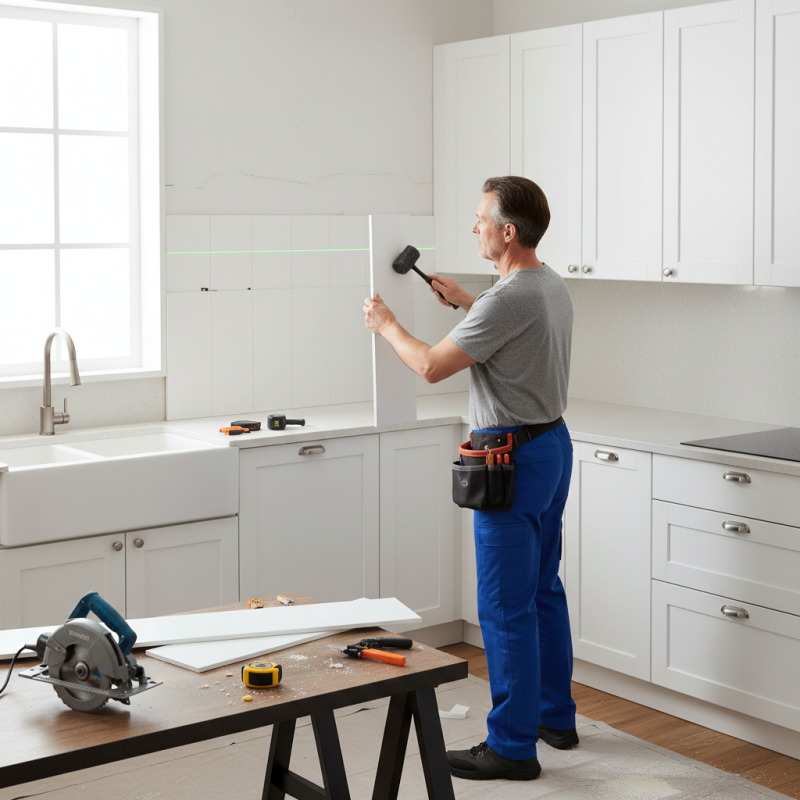
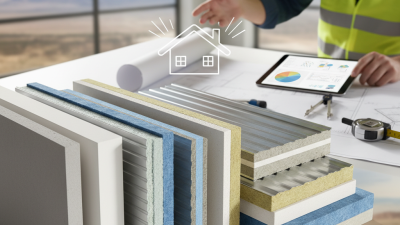
Installing PVC wall boards can transform a space effectively. However, having the right tools and materials is crucial. You will need measuring tape for accurate dimensions. A utility knife is essential for cutting the panels smoothly. Ensure you have a level to keep everything straight. Marking tools like a pencil and straightedge are handy too.
When it comes to materials, PVC wall boards are the star of the show. They come in various sizes and thicknesses. Adhesive is vital for proper installation, so don’t skip this step. Consider the type of finish you want; some people might prefer a matte finish while others go for gloss. Be aware of the condition of your walls; sometimes, preparation takes longer than expected.
Screws are often needed for added stability, so have these on hand. Don’t forget safety gear, like gloves and goggles. It’s easy to overlook safety, yet protective gear is essential. Installing PVC boards may seem straightforward, but it can be tricky. Plan your layout beforehand and keep an open mind to adjust as needed.
Step-by-Step Process for Preparing Walls Before Installation
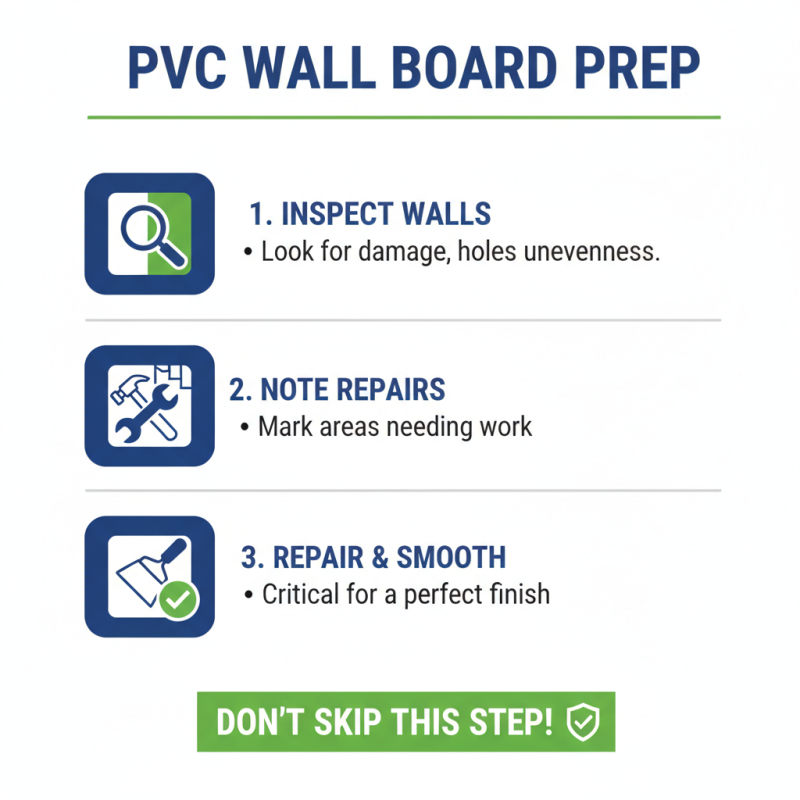
Preparing walls for PVC wall board installation is crucial. Start by inspecting your walls. Look for any damage, holes, or uneven surfaces. Make a note of repairs needed. This step is often overlooked but critical for a smooth finish.
Next, clean the walls thoroughly. Remove dust, grease, and old paint. Use warm water and a sponge for best results. A cleaner surface ensures better adhesion of the wall boards. As you work, pay attention to areas that might require extra effort. Sometimes, it’s easy to miss a spot.
If repairs are needed, patch holes with spackle and let it dry completely. Sand the repaired areas for a smooth texture. It can be tempting to skip these steps, but they impact the final look. After repairs, check the walls for level using a straightedge. Are they straight? Imperfections might show under the new boards. Taking time in these steps will save you trouble later on in the installation process.
Techniques for Cutting and Fitting PVC Wall Boards Accurately
Cutting and fitting PVC wall boards can seem daunting. However, with the right techniques, anyone can achieve a clean, professional look. Start by measuring your walls accurately. Use a tape measure to determine the length and height. Take multiple measurements to avoid errors. Mark the dimensions clearly on the board before cutting. It’s essential to double-check your measurements. Mistakes can lead to wasted materials.
When it comes to cutting the boards, use a fine-toothed saw or a utility knife for cleaner edges. Score the PVC multiple times before snapping it along the line. This method provides a smoother surface. If edges don’t align perfectly when fitting, don’t rush. Adjust slowly and make necessary cuts incrementally. Sand any rough edges lightly to ensure a seamless fit. It’s okay if things don’t turn out perfectly on the first try. Refinement is part of the process.
Fitting the boards requires patience. Align each piece carefully before securing them in place. Consider using spacers to maintain uniform gaps. If you find some areas difficult to match, take a step back. Assess what isn't working. Sometimes a small adjustment can make a significant difference. Keep in mind that achieving a perfect finish might require multiple attempts. Embrace the learning curve. Each project brings new experiences and insights.
Installation Techniques for PVC Wall Boards
Maintenance Tips for Prolonging the Life of PVC Wall Boards
Maintaining PVC wall boards is essential for their longevity. Regular cleaning helps prevent dirt buildup. Use a soft cloth and a mild detergent. Avoid using abrasive cleaners that can scratch the surface. A gentle touch is crucial; harsh scrubbing can damage the finish.
Inspecting the panels periodically is a proactive step. Look for any signs of wear or damage. Pay attention to seams and corners. If you notice gaps, seal them promptly to prevent moisture ingress. Moisture can lead to mold growth and compromise the integrity of the boards.
Here are some useful tips for upkeep. Keep humidity levels low in your space. Use dehumidifiers if necessary. Additionally, avoid placing heavy objects directly against the wall. This prevents dents and maintains the wall's appearance. Remember, while they are durable, PVC boards can still suffer if they are not treated well.
Regular attention can make a huge difference.