10 Essential Tips for Choosing Eco-Friendly WPC Panels for Your Projects
In recent years, the construction and design industries have increasingly leaned towards sustainable practices, leading to a surge in the popularity of eco-friendly materials. Among these, Eco-Friendly WPC Panels have emerged as a versatile and responsible choice for various projects, from decking and fencing to indoor applications. These panels, made from a blend of wood fibers and recycled plastic, not only reduce reliance on traditional timber but also contribute to minimizing plastic waste in landfills.
As more builders and homeowners prioritize sustainability, it is crucial to understand how to select the best Eco-Friendly WPC Panels that align with both environmental values and project requirements. Choosing the right materials can enhance the aesthetic appeal of a space while ensuring durability and longevity, making it a win-win for both the planet and your budget. This guide offers ten essential tips that will empower you to make informed decisions when selecting eco-friendly options for your next project, ensuring that sustainability is always at the forefront of your renovations and constructions.
Understanding WPC Panels: Composition and Environmental Impact
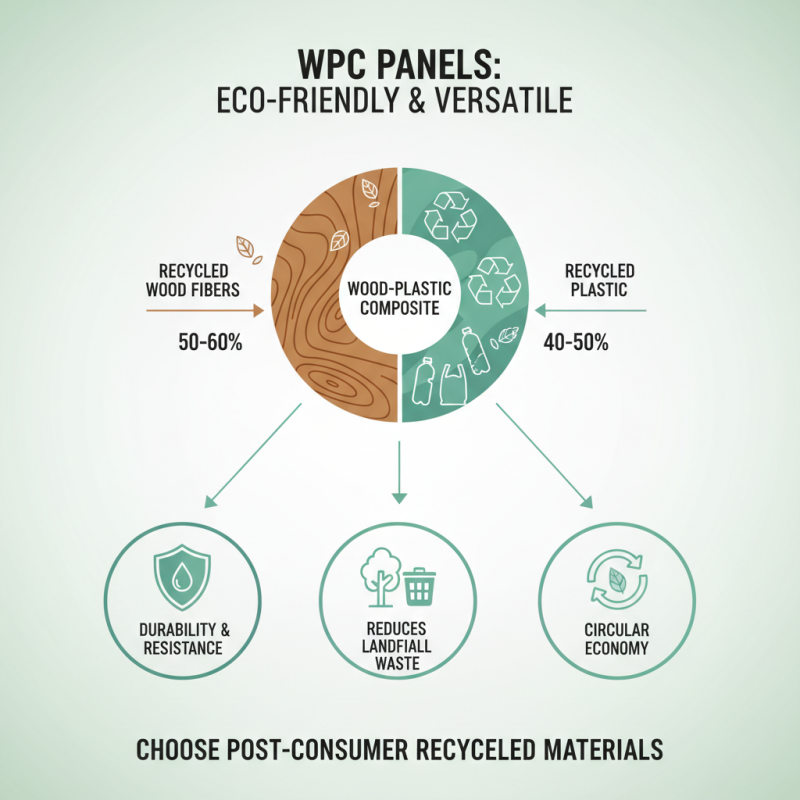
WPC panels, or Wood Plastic Composite panels, are gaining popularity due to their versatility and environmental advantages. Comprised of recycled wood fibers and plastic, these panels offer durability and resistance to decay while minimizing waste. Understanding their composition is crucial when opting for eco-friendly options. Ensure that the WPC panels you select are made from post-consumer recycled materials, which not only reduce landfill waste but also encourage a circular economy.
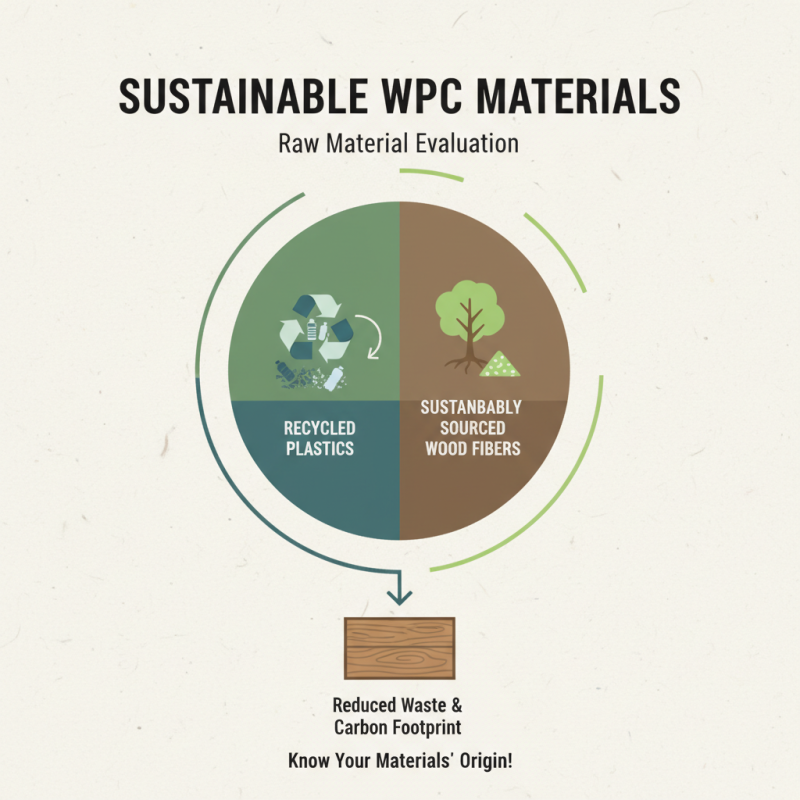
When looking for the right WPC panels, consider these essential tips: first, evaluate the sourcing of the materials. Opt for manufacturers that prioritize sustainably sourced wood and responsible plastic use. Second, check for certifications that guarantee minimal environmental impact during production. Finally, reflect on the product's lifespan and recyclability, as longer-lasting products contribute to overall sustainability.
In addition to these considerations, it’s important to assess the potential environmental impact of WPC panels. Some options can release harmful chemicals during their lifecycle. Choosing brands with a commitment to safety standards helps in reducing toxicity. By being informed about the materials and their implications, you can make ethical choices that benefit both your project and the planet.
Recognizing Certifications and Standards for Eco-Friendly WPC
When selecting eco-friendly Wood Plastic Composite (WPC) panels for your projects, understanding certifications and standards is crucial. Organizations such as the Forest Stewardship Council (FSC) and GREENGUARD have established guidelines that verify the sustainability and environmental impact of building materials. According to a report by the American Wood Council, products bearing the FSC certification are sourced from responsibly managed forests, which helps ensure the preservation of biodiversity and minimizes deforestation. Incorporating materials that meet these standards not only supports sustainable forestry practices but also promotes a healthier indoor environment.
In addition to FSC, the GREENGUARD Certification indicates that products have low chemical emissions, contributing to better air quality in residential and commercial spaces. Studies show that indoor air pollution can affect human health, with VOCs (volatile organic compounds) being a major contributor. By choosing WPC panels that comply with GREENGUARD standards, you are investing in products that prioritize both environmental conservation and occupant health. The International Journal of Environmental Research estimates that the adoption of eco-friendly materials like certified WPC can reduce carbon footprints by up to 30%, making it a responsible choice for any sustainable building project.
Analyzing the Lifespan and Durability of WPC in Various Applications
When selecting eco-friendly wood-plastic composite (WPC) panels for various projects, understanding their lifespan and durability is crucial. WPC panels are designed to withstand environmental challenges, making them an attractive choice for outdoor applications such as decking and fencing.
Their resistance to moisture, rot, and insects significantly extends their usable life compared to traditional wooden materials. Additionally, the incorporation of recycled plastics not only enhances their durability but also contributes to sustainability efforts, making WPC a smart choice for environmentally conscious builders.
The performance of WPC panels can vary depending on their formulation and the specific application. In areas with high foot traffic or severe weather conditions, it's essential to select panels that are engineered for enhanced durability. Testing for UV resistance, structural integrity, and fade resistance can help gauge the longevity of the materials used in your projects. Furthermore, proper maintenance practices, such as regular cleaning and inspections, can significantly boost the lifespan of WPC products, ensuring that they remain functional and visually appealing over many years. By focusing on these factors, you can make informed decisions that align with both performance needs and environmental considerations.
Cost Considerations: Balancing Eco-Friendliness with Project Budgets
When considering eco-friendly WPC (Wood Plastic Composite) panels for your projects, it’s essential to strike a balance between sustainability and budget constraints. While these panels are often marketed as environmentally friendly alternatives, their upfront costs can be a significant factor in your decision-making. Understanding the long-term savings associated with WPC panels, such as durability and reduced maintenance needs, can provide the justification for the initial investment.
Moreover, comparing various suppliers can reveal options that align with both your ecological values and financial plan. Some manufacturers may produce eco-friendly panels at competitive prices, highlighting the importance of thorough market research. It’s beneficial to assess the value of reduced environmental impact against the initial costs and seek solutions that ensure you can deliver sustainable projects without overstretching your budget. Visualizing the costs over the life cycle of the product can also help make an informed choice that benefits both the environment and your wallet.