10 Essential Tips for Choosing the Right Ceiling Suspension Grid?
Choosing the right Ceiling Suspension Grid is crucial for any construction or renovation project. It impacts both functionality and aesthetic appeal. According to industry reports, the global market for ceiling systems is projected to reach $13 billion by 2027, indicating a significant demand for effective design solutions.
When selecting a Ceiling Suspension Grid, consider factors like load capacity, material type, and compatibility with existing structures. A well-chosen grid not only supports ceiling tiles but also contributes to acoustics and energy efficiency. However, many buyers overlook these details, leading to suboptimal outcomes.
Furthermore, advancements in technology, such as AI-driven tools, can aid in making better selections. Yet, some manufacturers still struggle to adapt to these changes. Engaging with knowledgeable suppliers and thoroughly assessing options can mitigate risks. Balancing budget constraints with quality and performance remains a constant challenge in this niche market.

Understanding Ceiling Suspension Grids: A Basic Overview
Ceiling suspension grids are essential for supporting ceiling tiles. They provide structure and stability. Knowing the basics can help you make better choices. According to recent industry reports, the global market for ceiling grids has seen a growth of about 5% annually. This increase reflects their importance in modern construction.
Choosing the right grid often feels overwhelming. Various materials are available, such as aluminum and steel. Each option has pros and cons. Steel is strong but may rust. Aluminum is lightweight but could be less durable. Focus on your specific needs to find the best fit for your building.
Installation is another critical factor. An improper setup can lead to costly repairs. In a study, almost 30% of ceiling failures stemmed from installation errors. Take your time. Seek professional help if needed. Reflecting on these components can lead to a more informed decision that meets your project's requirements.
10 Essential Tips for Choosing the Right Ceiling Suspension Grid
| Tip Number |
Tip |
Description |
| 1 |
Consider the Weight |
Choose a grid system that can support the weight of the ceiling tiles and any additional fixtures. |
| 2 |
Check Compatibility |
Ensure the grid is compatible with the ceiling tiles you plan to use. |
| 3 |
Measure Your Space |
Accurate measurements will ensure a proper fit within the room. |
| 4 |
Understand Aesthetics |
Choose a grid style that matches the overall design theme of your space. |
| 5 |
Evaluate Installation Ease |
Look for grids that are easy to install to save time and costs. |
| 6 |
Consider Noise Reduction |
Select grids that support acoustic tiles for improved noise control. |
| 7 |
Assess Maintenance Needs |
Choose grids that are easy to maintain and clean for longevity. |
| 8 |
Review Fire Ratings |
Make sure the grid system meets local fire safety codes. |
| 9 |
Plan for Lighting |
Consider how lighting fixtures will interact with the grid. |
| 10 |
Choose a Reliable Supplier |
Select suppliers known for quality and customer service. |
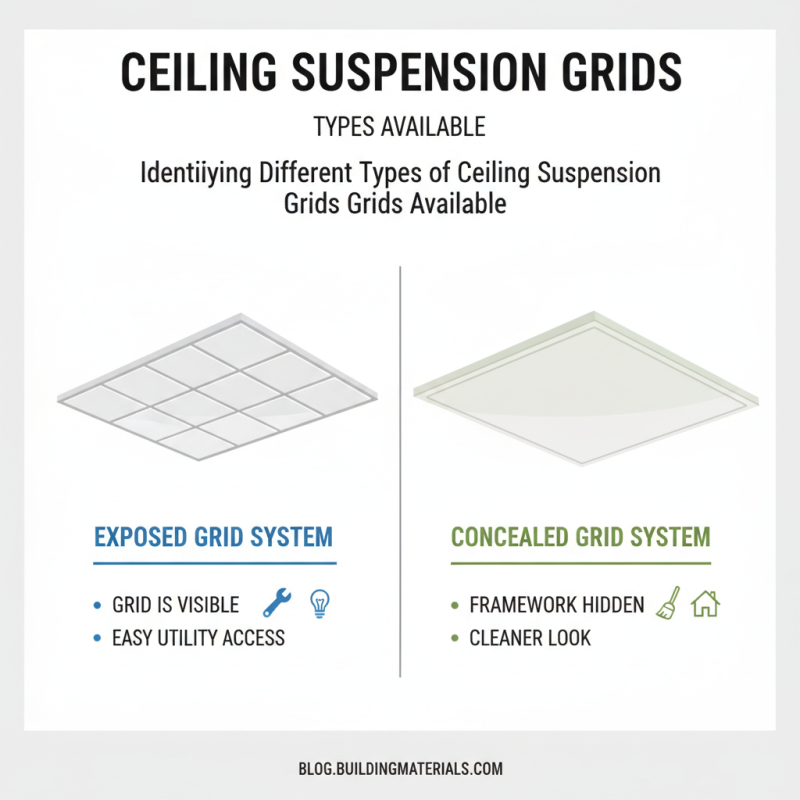
Identifying Different Types of Ceiling Suspension Grids Available
When selecting a ceiling suspension grid, understanding the types available is crucial. There are primarily two categories: the exposed grid system and the concealed grid system. The exposed grid system, often used in commercial settings, is visible. It offers easy access to utilities. On the other hand, the concealed grid system hides the framework, providing a cleaner look. Both have their advantages and drawbacks.
Choosing the right type depends on your needs. If aesthetics matter more, the concealed system might be best. However, maintenance can be tougher with this option. The exposed grid allows for simple repairs but may not fit all design preferences. Think about functionality versus visual appeal.
Budget is another important aspect. Different types of grids come with varying costs. Metal grids tend to be more durable but pricier. Plastic options are lighter and cheaper but may lack longevity. Don’t forget to assess your environment. Some grids perform better in specific settings, like moisture-prone areas. Choosing wisely requires considering various factors to avoid potential regrets later.
Evaluating Load-Bearing Capacity for Your Specific Needs
When selecting a ceiling suspension grid, assessing load-bearing capacity is crucial. This involves understanding what the grid needs to support. Will it hold lighting fixtures, air ducts, or heavy panels? Each component has specific weight requirements. You must calculate the total load accurately. Forgetting this can lead to issues later.
Check the grid's specifications carefully. Some grids handle only lightweight materials. Others are built for heavier installations. Misjudging these details can compromise safety. If you’re unsure, consult with a professional. A small mistake can turn into a big problem down the line.
It's vital to account for potential future additions too. Will you need to hang more items later? Plan ahead to avoid redoing everything. Think about the layout and design choices as well. Aesthetics shouldn’t jeopardize functionality. Balancing beauty with strength is often tricky but essential. Keep revisiting your choices to ensure everything aligns with your needs.
Considering Aesthetic and Design Factors in Grid Selection
When selecting a ceiling suspension grid, aesthetics play a crucial role. A grid can significantly influence a room's overall design. While functionality is vital, don't overlook how the grid complements the existing decor. Choose a color that harmonizes with the walls and furniture. A white grid might seem safe, but a darker shade can add depth and sophistication.
Texture is another essential detail. A smooth grid offers a modern look. In contrast, a textured finish can create visual interest. Think about the overall theme of the space. Industrial designs may benefit from metal finishes, while cozy settings might prefer wood tones. It's an opportunity to express creativity, but be cautious. A mismatched grid can disrupt the intended vibe of the room.
Lighting effects should not be ignored. A grid that accommodates lighting fixtures adds functionality. Choose grids that allow for adjustable lighting. This ensures the space can adapt to different moods. However, there may be a tendency to overlook this aspect in favor of style. Striking a balance between aesthetics and practicality can be challenging, but it’s essential for a cohesive design.
Tips for Installation and Maintenance of Ceiling Suspension Grids
When installing a ceiling suspension grid, careful consideration of the layout is key. Measure your space accurately. Ensure that you account for any lights or vents. Using a chalk line helps maintain straight lines. This simple tool can make a big difference. Take your time, as rushing can lead to mistakes.
Maintenance is equally important. Regularly check for sagging tiles or damage. A slight dip can indicate a problem. It's essential to replace tiles that are stained or cracked. They disrupt the look and may harbor mold. Consider cleaning the grid periodically to remove dust. This can enhance the overall appearance of the ceiling.
Sometimes, the installation can feel overwhelming. It's common to feel uncertain about the process. Don't hesitate to ask for help if needed. Seek advice from seasoned installers. Their insights can save you time and prevent errors. Reflecting on past projects can guide your approach too. Embrace the learning curve; every installation offers new lessons.
10 Essential Tips for Choosing the Right Ceiling Suspension Grid