Why Choose Waterproof PVC Wall Panels for Your Home Renovation?
Waterproof PVC Wall Panels are gaining popularity in home renovations. According to a recent market analysis by MarketWatch, the demand for such materials has increased by over 40% in the last three years. This surge reflects consumers’ desire for durable, stylish, and easy-to-maintain surfaces.
Expert Mark Thompson, a leading figure in the construction materials industry, states, "Waterproof PVC Wall Panels provide versatility and protection in every space." His insights resonate as homeowners seek solutions that withstand moisture while enhancing aesthetic appeal. These panels are not only lightweight but also resistant to mold and mildew, making them ideal for bathrooms and kitchens.
However, the rapid growth of this market raises questions. Are homeowners fully aware of the environmental impacts? It's crucial to weigh the benefits against potential concerns. While Waterproof PVC Wall Panels offer clear advantages in protection and design, reflecting on sustainability is essential for future renovations.

Benefits of Waterproof PVC Wall Panels in Home Renovation Projects
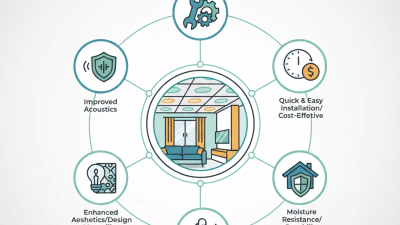
Waterproof PVC wall panels are becoming a popular choice for home renovations. These panels offer practical benefits that enhance any space. One notable advantage is their resistance to moisture. Bathrooms and kitchens often experience high humidity levels. Standard materials can deteriorate quickly in these areas. However, PVC panels remain unaffected, ensuring durability and long-term performance.
Another benefit is the ease of installation. These panels are lightweight and can be cut to fit various dimensions. This feature simplifies the renovation process, making it quicker and less labor-intensive. Many homeowners appreciate that they can achieve a stylish look without extensive remodeling. However, one must ensure proper wall preparation before installation. An imperfect surface can affect the panels' adhesion.
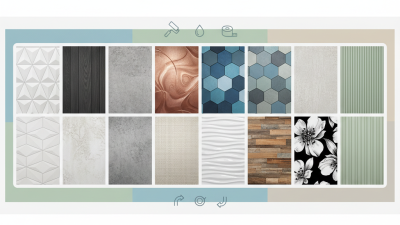
Additionally, PVC panels come in various designs and colors. Homeowners can choose options that align with their aesthetic. Yet, some might find the choices overwhelming. It becomes essential to consider the overall theme of the home. Choosing the wrong style may lead to a mismatch. Balancing functionality with design is vital in every renovation project.
Durability and Longevity: Industry Standards for PVC Wall Panels
When renovating a home, choosing the right materials is crucial. Waterproof PVC wall panels stand out for their durability. Unlike traditional wall materials, they do not warp or swell in moisture-rich environments. This means they can last much longer, especially in kitchens and bathrooms. The manufacturing process of these panels involves high-quality resins. They are designed to withstand daily wear and tear.
Longevity is another factor to consider. PVC wall panels often exceed industry standards for performance. They resist stains and scratches, maintaining their aesthetic appeal over time. Moisture does not compromise their structure. However, improper installation may lead to issues down the road. It's important to ensure proper sealing and fitting during installation.
Investing in waterproof PVC wall panels may seem cost-effective initially. Over time, the savings on repairs and replacements can be significant. Choosing these panels can lead to a more comfortable living space. A bit of upkeep is needed, but overall, they provide significant advantages. Ultimately, a careful selection can transform spaces beautifully.
Cost-Effectiveness: Analyzing ROI on Waterproof Wall Solutions
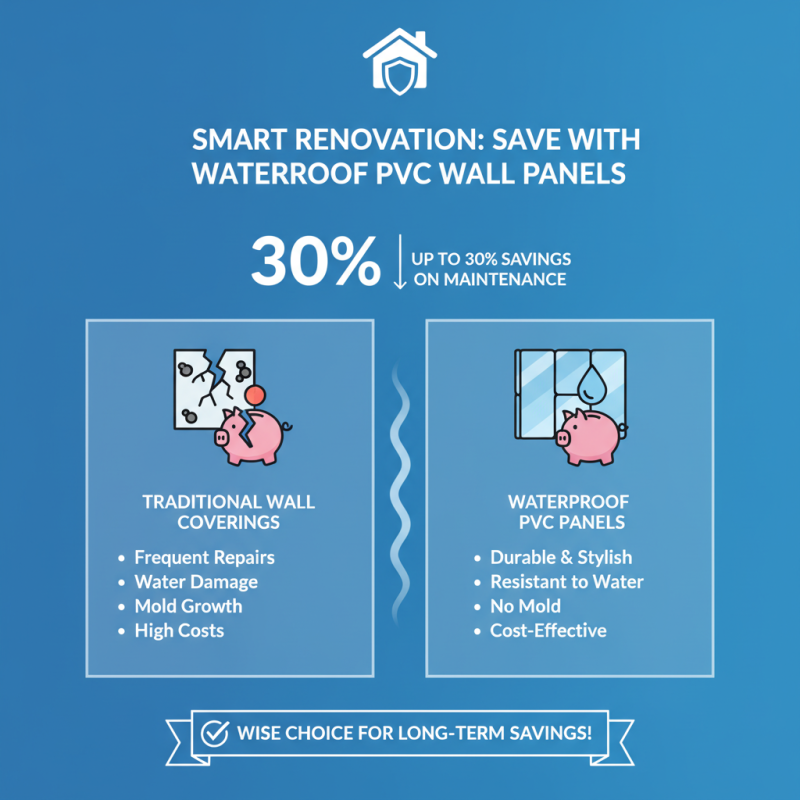
Choosing waterproof PVC wall panels during home renovation can significantly impact your budget. These panels are not only stylish but also cost-effective. Industry reports suggest that homeowners can save up to 30% on maintenance costs when opting for waterproof solutions. Traditional wall coverings often require frequent repairs. Water damage can lead to mold growth, which can be costly to eliminate.
Investing in waterproof panels typically offers a strong return on investment (ROI). Studies indicate that these panels last longer than traditional materials, with lifespans extending up to 20 years. This durability decreases the need for replacements and repairs. On top of that, waterproof panels can increase property value. Homes with updated, moisture-resistant features attract buyers, often fetching higher sale prices.
Tips: Consider the long-term savings on maintenance when evaluating materials. Remember to measure your space accurately to avoid waste. Always check installation guides; proper installation is key for maximizing durability. While waterproof PVC is effective, pay attention to climate impact. Some panels may not perform as well in extreme temperatures. These reflections can help in making an informed decision.
Installation Process: Steps and Timeframe for PVC Panels
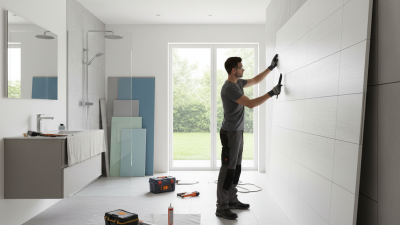
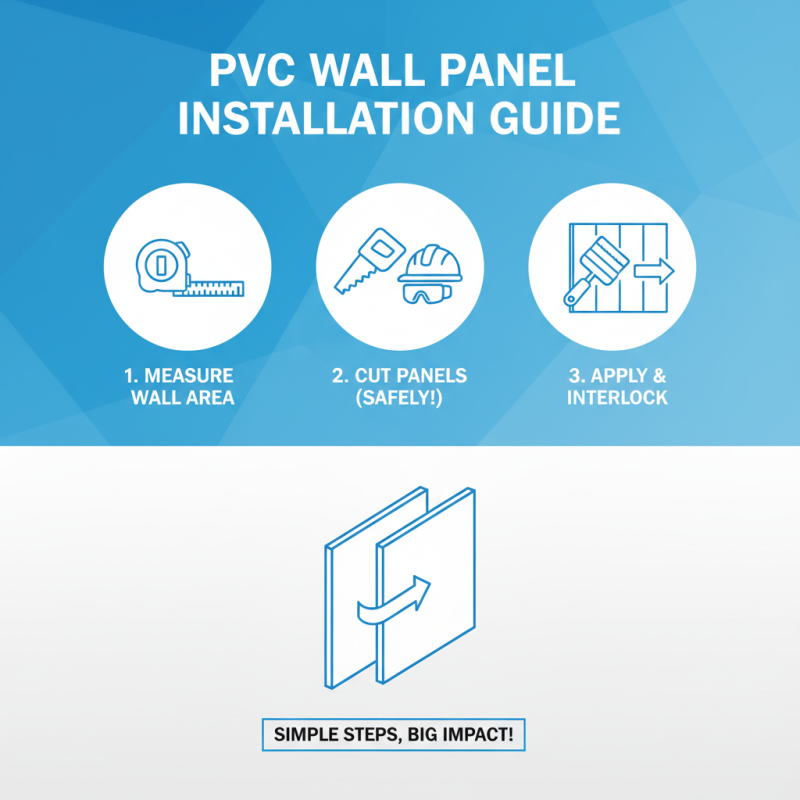
When considering PVC wall panels for home renovation, the installation process is essential. The steps involved can be simple yet require careful attention. Begin by measuring the wall area accurately. This ensures you purchase the right amount of material. Cutting the panels is straightforward. However, make sure to wear safety gear.
After you prepare the surface, start installing the panels from the corner. Use adhesive or screws for a secure fit. Remember, aligning the panels is crucial. Small misalignments can create visual issues later on. The process can take a few hours to a couple of days, depending on the size of the space.
**Tips:** Always have an extra set of hands to hold panels in place during installation. This will save time and frustration. Additionally, consider painting or decorating the panels after installation. It adds a personal touch to your space. Have patience with the process. Rushing can lead to mistakes that are hard to fix later.
Comparative Analysis: PVC vs. Traditional Wall Materials in Moisture-Prone Areas
When it comes to moisture-prone areas, selecting the right wall materials is essential. Traditional wall materials, like drywall, can absorb moisture. This leads to mold, corrosion, and structural degradation. In fact, studies show that about 30% of homes face water damage due to poor material choices. In contrast, waterproof PVC wall panels are specifically designed to resist moisture. They create a barrier that prevents water infiltration.
The durability of PVC makes it a worthy consideration. Unlike traditional options, PVC panels are non-porous and easy to clean. A report by the Building Research Institute suggests that choosing PVC can reduce maintenance costs by up to 50%. This could be significant for homeowners seeking long-term value. However, there are still concerns. Some critics argue that PVC may not have the same aesthetic appeal as wood or tile finishes.
The performance of PVC in wet environments is commendable, yet it can come with trade-offs. There is potential for chemical leaching, especially if the material is not of high quality. This is a point worth reflecting on during selection. Overall, while PVC offers moisture resistance, homeowners should weigh its advantages against possible shortcomings.
Comparison of Waterproof PVC Wall Panels vs. Traditional Wall Materials
This chart illustrates the moisture resistance scores of various wall materials commonly used in home renovations. Waterproof PVC panels have the highest moisture resistance, making them ideal for moisture-prone areas.