What is a Ceiling Grid Suspension System and How Does it Work?
The Ceiling Grid Suspension System is a vital component in modern architecture and design. Its functionality lies in creating a sturdy framework that supports ceiling tiles and other materials. As John Thompson, an expert in building design, aptly remarked, "A quality ceiling grid is the backbone of any suspended ceiling." This system not only enhances aesthetic appeal but also improves sound insulation and thermal efficiency.
Constructed from durable materials, the Ceiling Grid Suspension System can withstand significant weight. The strategic arrangement of its components allows for easy access to overhead utilities. However, issues like improper installation can lead to sagging or misalignment. It's essential to prioritize precision to ensure longevity and performance.
While this system offers many advantages, there are challenges too. Selecting the right materials is crucial. A poorly chosen grid can affect the overall design and function. As we delve deeper into its mechanics, understanding both the benefits and potential pitfalls becomes essential for successful implementation.
What is a Ceiling Grid Suspension System?
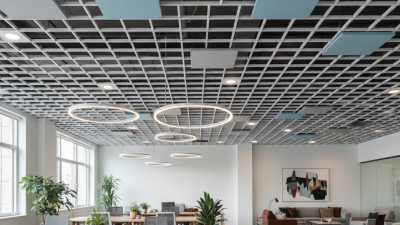
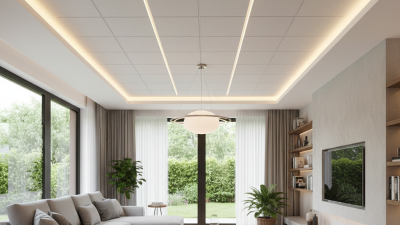
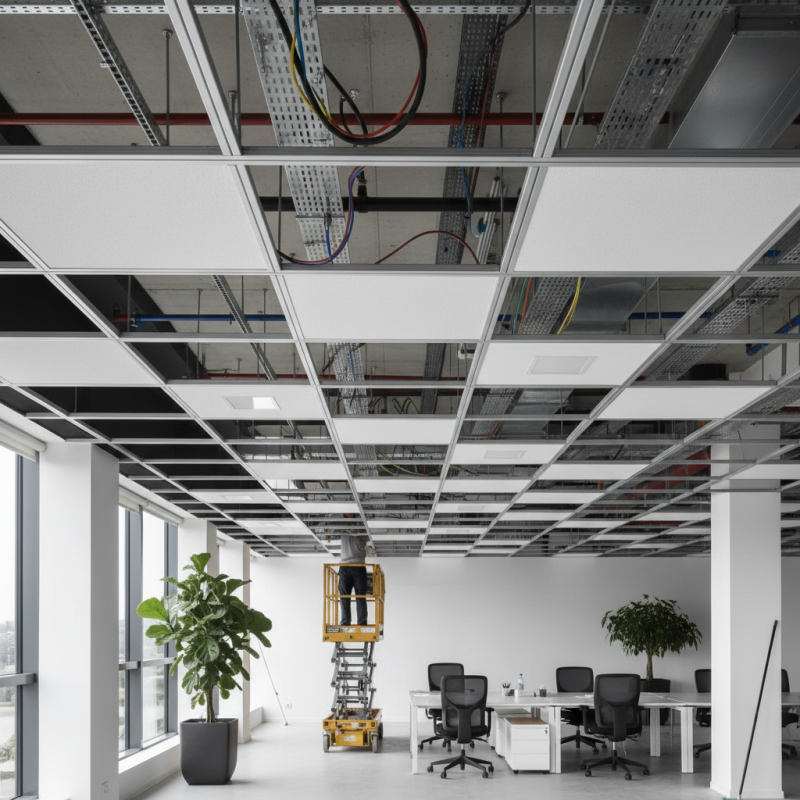
A ceiling grid suspension system is a structural framework used to support ceiling panels. It consists of a grid of metal channels or rods that hold lightweight tiles in place. These grids can create a clean, uniform ceiling surface in commercial and residential spaces. They are often installed to conceal wiring, plumbing, or HVAC systems above, making spaces look tidy.
Tips: Ensure the grid is evenly spaced. This helps maintain an integrated appearance. Adjust the height of the ceiling based on room use. A lower ceiling can provide a cozy feel in smaller rooms.
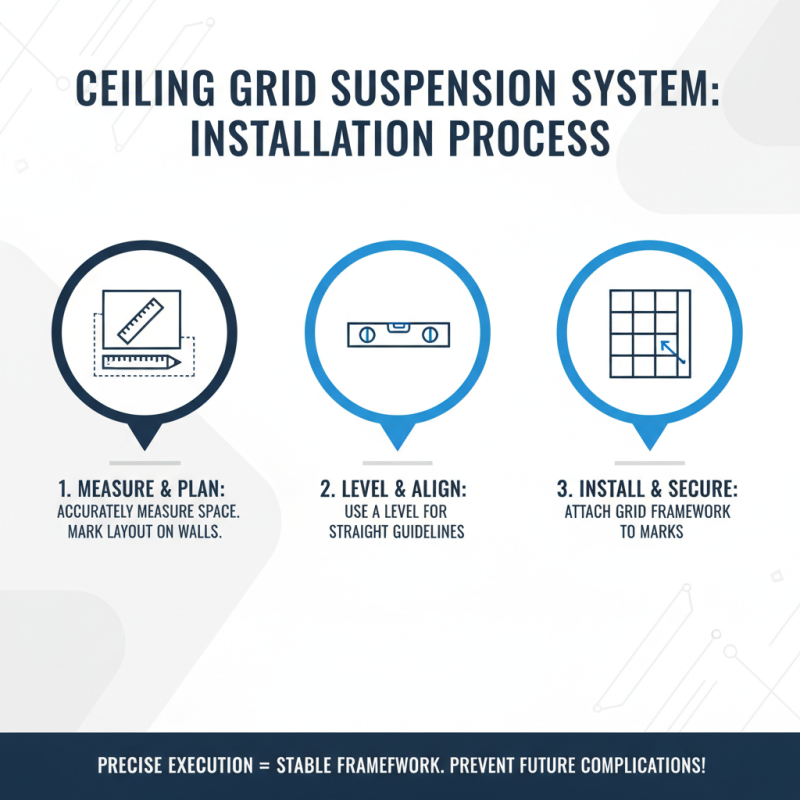
The installation process involves securing the grid to the building's framework. The tiles easily fit into the grid openings, allowing for quick changes or repairs. Regular maintenance is needed. Dust accumulation can occur, and some tiles may require replacement over time.
Tips: Inspect the grid system regularly. Look for any sagging tiles or loose connections. Addressing issues early prevents larger problems later.
Key Components of a Ceiling Grid Suspension System
Ceiling grid suspension systems are popular in commercial spaces. They offer flexibility in design while hiding electrical systems and ducts. Understanding the key components can help in choosing the right system.
The main components include grid tees, main runners, and ceiling tiles. Grid tees connect to main runners, forming a framework. Main runners are horizontal and support the grid’s weight. Ceiling tiles fit into the grid, providing a finished look. These tiles come in various materials, thicknesses, and designs, allowing for aesthetic customization.
Additionally, hangers and clips secure the structure to the ceiling. Hangers support the weight and ensure stability. Clips hold the grid in place and allow for easy installation. Each piece plays a role in overall functionality. There may be challenges during installation, like alignment issues. Proper measurements are crucial for a successful ceiling layout. Understanding these components enables better decision-making for a reliable ceiling grid system.
Advantages of Using a Ceiling Grid Suspension System
A ceiling grid suspension system offers several advantages for modern construction and renovation projects. This system allows for flexible architectural designs without compromising structural integrity. By utilizing a grid of metal channels, ceilings can support various materials, including tiles and panels. These features enhance acoustics and can improve thermal efficiency.
One major benefit is the simplicity of installation and maintenance. According to the latest industry reports, the installation time can be reduced by up to 30% compared to traditional ceilings. This is vital for project timelines and budgets. Additionally, the ability to easily replace tiles aids in maintaining a clean and attractive environment.
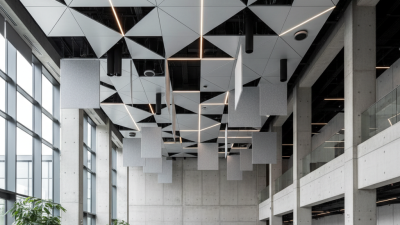
Another crucial advantage is the aesthetic versatility. Planners can create diverse styles and textures to meet specific design goals. Research suggests that environments with well-designed ceilings can improve occupant satisfaction by up to 20%. Though ceiling grids can initially seem unappealing, their functionality often outweighs aesthetic drawbacks. This balance between form and function is essential in the architectural community today.
Advantages of Using a Ceiling Grid Suspension System
Common Applications for Ceiling Grid Suspension Systems
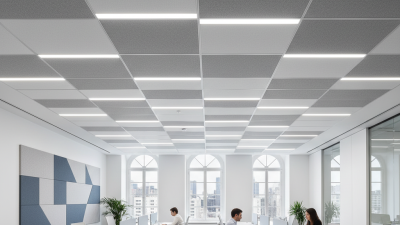
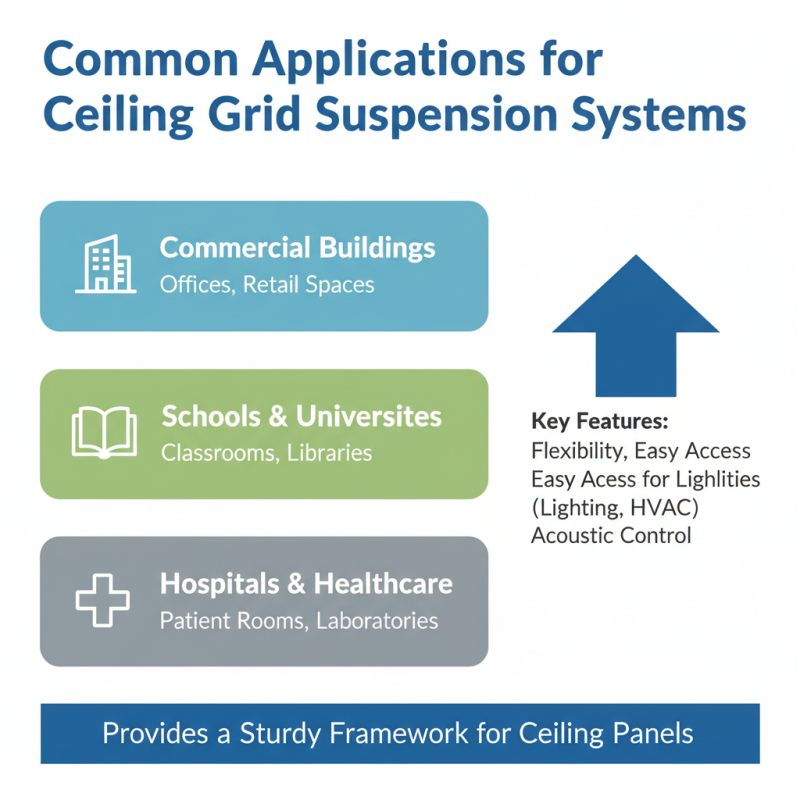
Ceiling grid suspension systems are widely used in various settings. They provide a sturdy framework to hold ceiling panels. These systems are common in commercial buildings, schools, and hospitals. Their flexibility makes them ideal for spaces that require frequent changes. In offices, they can accommodate lighting, HVAC systems, and acoustic panels.
The design allows easy access to utilities above the ceiling. This is crucial for maintenance. However, issues can arise when panels are removed too often. It can lead to wear and tear. Schools benefit greatly from these systems. они allow for easy installation of sound-dampening tiles, which enhance the learning environment.
In healthcare facilities, these grids support specialized tiles. Such tiles can aid in infection control. Nevertheless, choosing the right materials is essential. Not all systems are equally effective. Over time, perception of functionality may change with new technologies. Users must reflect on existing systems to ensure they meet current needs.