Top Benefits of WPC Wall Panels for Modern Home Design?
WPC Wall Panels are gaining popularity in modern home design. They combine wood fibers, plastic, and a binding agent. Studies indicate that the market for WPC products is expected to grow significantly. According to a report by ResearchAndMarkets, the WPC market is projected to reach $6.3 billion by 2025.
These panels offer numerous benefits, including durability and resistance to moisture. Homeowners value their low maintenance requirements as well. However, it is crucial to compare the quality of various brands. Not all WPC Wall Panels are created equal, and costs can vary widely.
Some designs may also lack aesthetic appeal. Potential buyers should consider texture, color, and style. While WPC Wall Panels can enhance modern interiors, thoughtful selection is vital to avoid future regrets. Choosing the right panel can elevate a space beautifully, but careless choices could detract from its overall design.
Advantages of WPC Wall Panels in Aesthetic Home Design
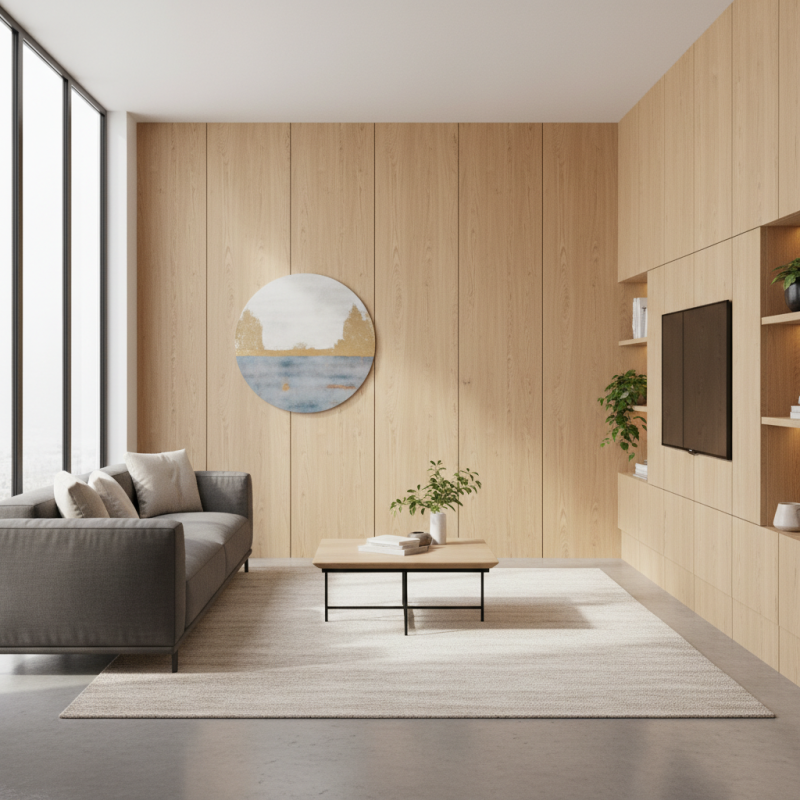
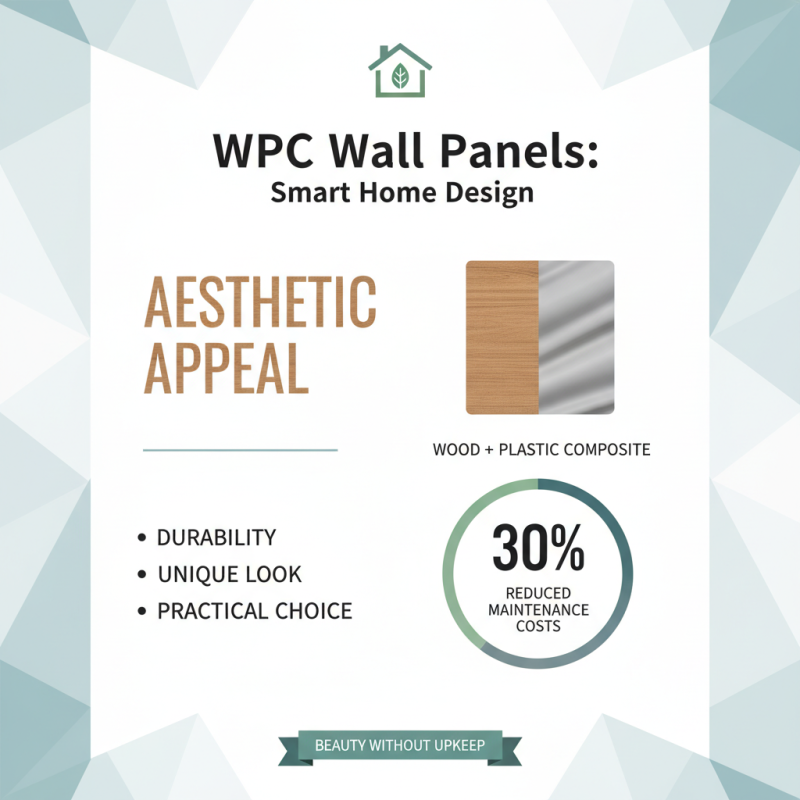
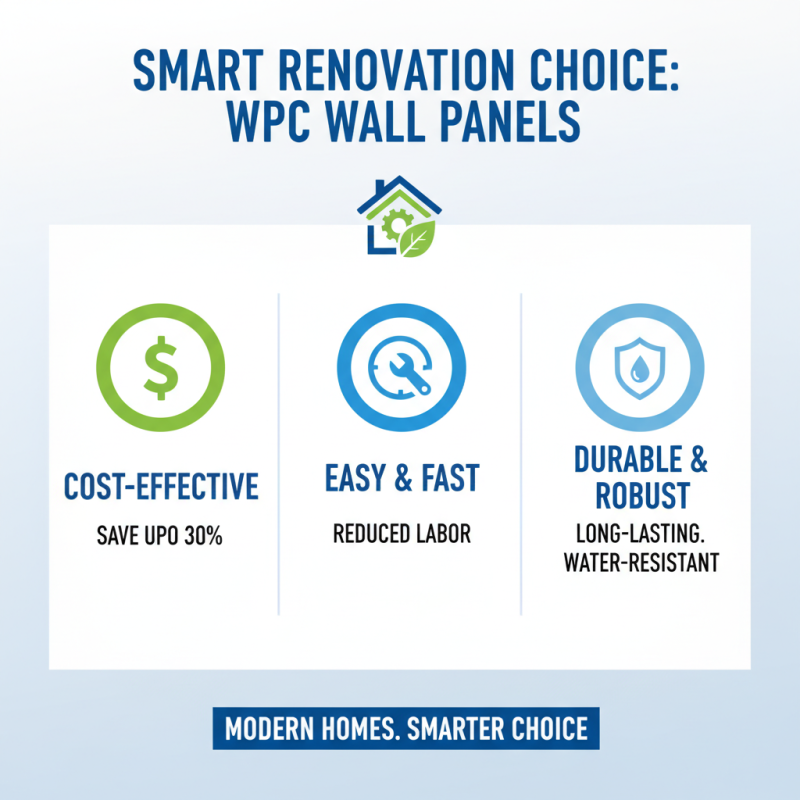
WPC wall panels have gained popularity in modern home design, largely for their aesthetic appeal. The combination of wood and plastic not only creates a unique look but also enhances durability. According to a recent industry report, WPC materials can reduce maintenance costs by up to 30%. This makes them a practical choice for homeowners seeking beauty without constant upkeep.
The versatility in design is another key advantage. WPC panels come in various colors and textures. They can mimic natural wood or introduce vibrant hues, allowing for creative expressions. A study indicated that 70% of interior designers now recommend WPC for stylish interiors. However, the installation process can be tricky. Improper fitting may lead to gaps or uneven surfaces, which could detract from the overall look.
WPC panels are also eco-friendly, offering sustainability benefits. They utilize recycled materials, reducing environmental impact. However, sourcing quality WPC can be challenging, with discrepancies in manufacturing quality. Buyers must be cautious to ensure they select the right materials for their projects.
Durability and Maintenance Benefits of WPC Wall Panels
WPC wall panels offer impressive durability. They resist moisture, making them ideal for areas prone to humidity. Unlike traditional wood, WPC materials won’t warp or swell. This makes them a reliable choice for long-term use. With their sturdy build, they handle impacts well. Families with children or pets can benefit significantly from this resilience.
Maintenance is straightforward with WPC panels. A simple wipe with a damp cloth removes dirt and stains. There’s no need for special cleaning agents or treatments. This ease of maintenance can save time and money. However, not everyone finds them aesthetically pleasing. Some may miss the natural look of wood. It’s important to reflect on personal preferences while choosing materials for home spaces. Remember, practicality is essential, but so is visual appeal.
Top Benefits of WPC Wall Panels for Modern Home Design
| Benefit |
Description |
Impact on Design |
| Durability |
WPC panels are resistant to moisture, termites, and rotting, making them a long-lasting choice. |
Allows for creative and open design without the fear of damage over time. |
| Low Maintenance |
Easy to clean with just soap and water; no need for painting or sealing. |
Saves time and money on upkeep, allowing homeowners to focus on aesthetics. |
| Eco-Friendly |
Made from recycled materials and contributes to sustainable building practices. |
Appeals to environmentally conscious homeowners and enhances market value. |
| Versatility |
Available in a variety of styles, colors, and textures to suit any design theme. |
Enhances aesthetic appeal with diverse options for personalization. |
| Water Resistant |
Prevents water damage and mold growth, ideal for high humidity areas. |
Maintains the integrity of the home design in moisture-prone spaces. |
Environmental Impact of Choosing WPC Over Traditional Materials
WPC wall panels, made from wood plastic composite, offer an eco-friendly alternative to traditional materials. These panels are designed to last significantly longer than conventional wood. They resist rot and insects, minimizing waste over time. Choosing WPC helps to reduce deforestation by decreasing the demand for solid timber. This choice also aligns with a more sustainable lifestyle.
However, it’s essential to consider the production process of WPC. While it uses recycled materials, the manufacturing might involve chemical additives. This raises questions about its overall environmental impact. For homeowners, the convenience of maintenance-free panels must be weighed against potential environmental concerns.
Moreover, WPC panels can sometimes appear artificial. They might lack the authentic texture and feel of natural wood. This aesthetic difference can affect the modern home's design appeal. Some might find satisfaction in the perfect synthetic finish, while others may miss the warmth of traditional materials. Careful thought should be given to balancing aesthetics and eco-friendliness.
Versatility in Design and Applications of WPC Wall Panels
WPC wall panels are increasingly favored in modern home design due to their versatility. These panels blend wood and plastic, creating a material that is both durable and aesthetically pleasing. A recent industry report indicated that the WPC market is expected to grow at a CAGR of 12% over the next five years. This statistic reflects increasing consumer preference for sustainable and low-maintenance home materials.
The adaptability of WPC wall panels is immense. They can mimic the look of wood, stone, or even modern textures. This allows designers to create varied atmospheres across different spaces. Indoor applications range from living rooms to bathrooms, while outdoors they can enhance patio areas and gardens. However, achieving a seamless look can sometimes be challenging. Issues with color matching and texture continuity should be factored into the design process.
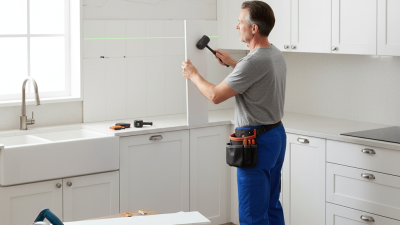
Installation is another aspect to consider. Though WPC panels are easier to install than traditional options, mistakes can lead to visible gaps. Careful planning is essential for a polished finish. Furthermore, while they are resistant to moisture and insects, prolonged exposure to harsh sunlight may lead to fading. Homeowners should weigh these factors against their specific needs when choosing WPC panels for their projects.