Top 10 Benefits of Using Suspension Grid in Modern Interiors?
In modern interior design, the Suspension Grid system stands out as a crucial element. It not only enhances aesthetics but also improves functionality in various spaces. According to a report by the International Association of Interior Designers, about 75% of architects consider Suspension Grids essential for creating innovative environments. These grids support various ceiling applications and can significantly influence acoustics and lighting.
Expert James H. Lewis, a leading voice in architectural acoustics, once stated, "The Suspension Grid is a game-changer for open spaces." His insights underline the importance of integrating such systems for optimizing sound quality and visual appeal. However, it is essential to note that while Suspension Grids offer numerous benefits, they can also present challenges in terms of installation and maintenance. Ensuring proper alignment and support can be difficult, and if overlooked, it may lead to uneven surfaces or compromised aesthetics.
Investing in a Suspension Grid system is a decision that requires careful consideration. The benefits it offers are substantial, but it demands a clear understanding of its implementation and upkeep. Balancing functionality and design will ultimately dictate the success of modern interiors.
Benefits of Suspension Grid Systems in Acoustic Performance Improvement
Suspension grid systems play an essential role in enhancing
acoustic performance in modern interiors. These systems provide a unique method for
sound absorption. By effectively decoupling the ceiling from the floor above, they help
reduce noise transmission. This is particularly beneficial in
offices, schools, and healthcare facilities where a quiet environment is crucial.
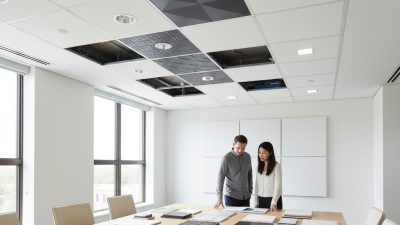
Consider using sound-absorbing panels in conjunction with a suspension grid. These panels can be mounted
directly within the grid, enhancing their sound-dampening capabilities. You’ll notice a marked improvement in sound quality.
However, it’s essential to select the right materials. Not all panels are created equal; some might not provide the desired results.
Another tip is to pay attention to grid design. The spacing and layout of the grid can significantly
influence sound characteristics. Experiment with various configurations to find what works best for your space. Don’t forget
to assess your existing acoustics. Sometimes, what seems like a great solution may need tweaking for optimal performance.
Enhancing Aesthetic Appeal with Suspension Grid in Modern Interior Design
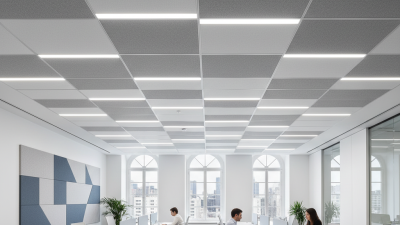
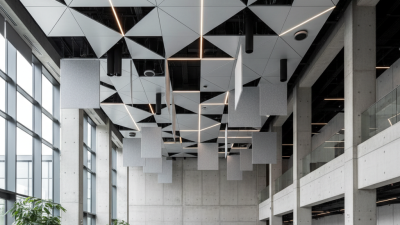
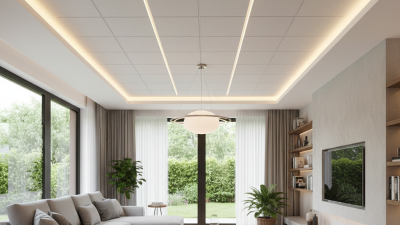
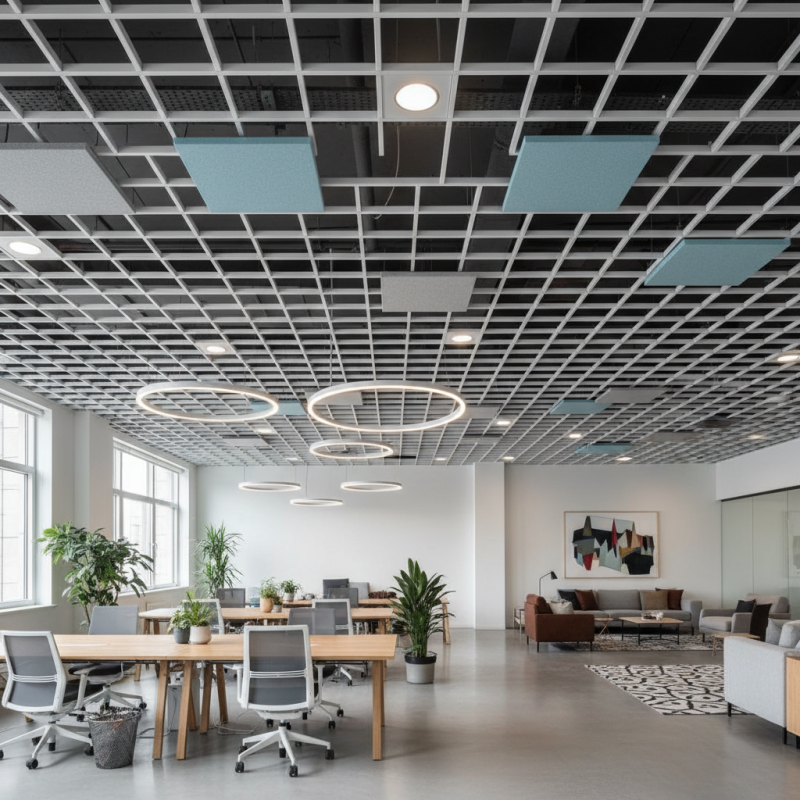
In modern interior design, using a suspension grid can significantly enhance aesthetic appeal. These grids not only provide structural support but also create visual interest. Imagine a sleek, open space where the ceiling appears to float. The grid allows for creative lighting solutions, casting intriguing shadows that change throughout the day.
Moreover, suspension grids can help define areas in large rooms. They can create a sense of separation without walls. However, achieving the right balance is crucial. An overly dense grid may overwhelm the room, making it feel cramped. Thoughtful design choices are necessary. Choosing the right materials and colors can complement your overall vision.
There’s beauty in imperfection too. A slight misalignment in the grid can add character to the space. It can evoke authenticity, making a room feel lived-in and inviting. Reflecting on these details can elevate a simple layout into a captivating environment. Thus, when utilized wisely, suspension grids enhance not just functionality, but the soul of modern interiors.
Cost Efficiency and Sustainability of Suspension Grid Materials in Construction
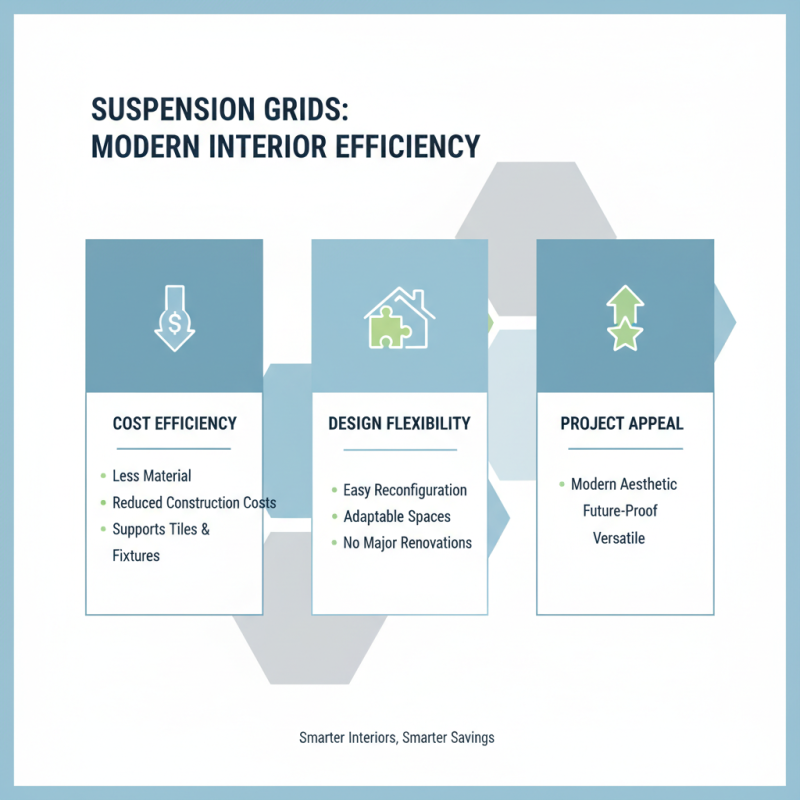
Suspension grids have gained popularity in modern interiors due to their cost efficiency. These systems support ceiling tiles and fixtures effectively. By reducing the amount of material needed, they help cut costs in construction. Beyond economics, they provide flexibility in design. Spaces can easily be reconfigured without major renovations. Often, this adaptability makes projects more appealing.
Sustainability is another significant advantage of suspension grids. Many materials used in these systems are recyclable. This promotes an eco-friendly approach in construction. Choosing sustainable materials can reduce carbon footprints. However, not all suspension grid materials are created equal. Some may still rely on non-sustainable resources. It’s essential for designers to evaluate their choices carefully.
In many cases, builders opt for quick solutions. They may prioritize immediate cost savings over long-term impact. This mindset can lead to suboptimal decisions regarding materials. A deeper reflection on overall sustainability can improve project outcomes. Avoiding shortcuts in material selection supports a healthier environment and can lead to meaningful changes in the industry.
Flexibility and Customization Options Offered by Suspension Grid Systems
Suspension grid systems offer significant flexibility in modern interiors. These systems allow for various configurations, adapting to different spaces and design needs. According to a report by the International Facility Management Association, over 70% of workplaces reported improved space utilization with customizable grid systems.
Designers appreciate how easily the grids can accommodate changes. Light fixtures, HVAC components, and acoustic tiles can be integrated without major renovations. This saves both time and costs, according to a study from the American Society of Interior Designers. A flexible grid system can also be a playground for creativity. Different color options and materials are available, making it easier to match the interior style.
However, not all grids perform equally. Some installations may experience sagging or misalignment issues over time. It’s essential to consider maintenance during initial design. Proper installation is critical for stability. An ill-fitting suspension grid can lead to increased costs down the line. Potential users should reflect on their specific requirements to avoid future complications.
Comparative Analysis of Installation Time: Suspension Grid vs. Traditional Ceilings
When considering installation time, suspension grids offer a distinct advantage over traditional ceilings. The standard installation process for suspension grids is relatively quick. It typically requires fewer tools and materials. The components are lightweight, making them easier to handle. Many can install them with minimal training or experience. This efficiency is particularly beneficial in commercial projects that demand speed.
Traditional ceiling installations can be cumbersome. They often require extensive preparation and support structures. This adds to the overall project timeline. Additionally, complications such as aligning and securing heavy materials can arise. This might lead to delays, especially in complex layouts. As a result, many find that suspension grids often lead to a smoother installation process.
However, the speed of installation can come at a cost. Some may overlook the aesthetic differences. Suspension grids, while functional, may not provide the same sleek finish as traditional ceilings. This raises questions about the balance between efficiency and appearance. Reflection on this aspect is crucial for designers and clients alike. Efficiency should not compromise the overall design vision.
Top 10 Benefits of Using Suspension Grid in Modern Interiors